
Have you ever thought that it is only thanks to environmentally conscious people that some paradise corners of our planet still remain clean and green? Simple ecotourism tips will teach you how to benefit even while on vacation. Try it! Everything is very easy and simple.
Even the mighty and indestructible Everest suffers from garbage mountains erected by ungrateful tourists. The problem is so critical that Nepalese authorities have required climbers of the world’s tallest mountain to leave a deposit of $4,000, which is withdrawn if climbers do not bring back their waste.
But not many tourists visit this attraction – only about 300 people a year. What can we say about other paradise corners of our planet, which thousands of vacationers come to see? The Maldives, for example, receives about 900,000 tourists annually. It is not surprising that local authorities were forced to create an artificial island – a garbage dump. The same applies to historical views of Egypt. Soon you will see a garbage pyramid near the Cheops pyramid.
The topic of developing environmental awareness among modern tourists is becoming increasingly popular. If you love to travel, but would like to leave behind a trail of discovery rather than a carbon footprint, then follow the rules of a green tourist.
1. Take care of your trash
Are you planning a picnic behind your hotel, exploring the rainforest or climbing the mountains? Think about where you will put the accumulated garbage later. It’s not at all difficult to take a special waste bag with you and leave it in the nearest trash can. If you were able to bring your things to your vacation spot, then you can easily carry the empty container to your destination. The problem is that trash left in nature can destroy someone’s habitat, contaminating the water source and soil over time. Animals can eat, for example, a plastic bag or solid waste and die.
In addition, in many countries there is a strict system of fines for garbage not being delivered to the trash bin. This is a rather painful topic for inexperienced tourists. For example, trash thrown on the beach in Singapore, a cigarette butt or chewing gum will cost 1,000 local dollars.
2. Give preference to durable packaging
A rag eco-bag can solve the problem of plastic bags, and a reusable water bottle will save you from a mountain of plastic containers.
3. Choose the right souvenirs
The Red Book often does not stop craftsmen making souvenirs. Endangered species of animals or plants are lost to cute trinkets that gather dust in cupboards and on bookshelves for years, no longer bringing any joy.
It is quite obvious that you should not buy figurines made from the tusks of African elephants or the dried wings of rare species of tropical butterflies. But even if the population of a particular animal species is not close to zero, this does not mean that you need to buy 10 snakeskin wallets. There is little environmental responsibility in such an act.
4. Avoid some exotic foods
Shark fins, turtle soup, crocodile tail, whale meat and more. It is clear that some people only have one chance in life to try such a dish. But this is exactly the kind of life experience that should be abandoned so as not to become one of the reasons for the increase in demand (and, accordingly, supply) for the brutal killing of endangered animals.
5. Buy local farm products
If possible, give preference to organic products produced locally in the place of your arrival. In this way, you will help local producers and contribute to reducing the carbon emissions that appear during the transportation of products from other countries. Therefore, forget about foreign soda, chocolate bars and chips, at least for the duration of your trip. And why do all this, if in the same countries of Southeast Asia, for example, you are surrounded on all sides by sweet and alluring exotic fruits?
6. Choose a “green” mode of transport
In a recent study, scientists from Canada found that 25% of cars are responsible for 90% of all pollution associated with vehicle emissions. It’s better not to even think about what consequences 100% traffic leads to. At the same time, not a single day of city residents goes by without a “refreshing” breath of carbon dioxide and other carcinogens.
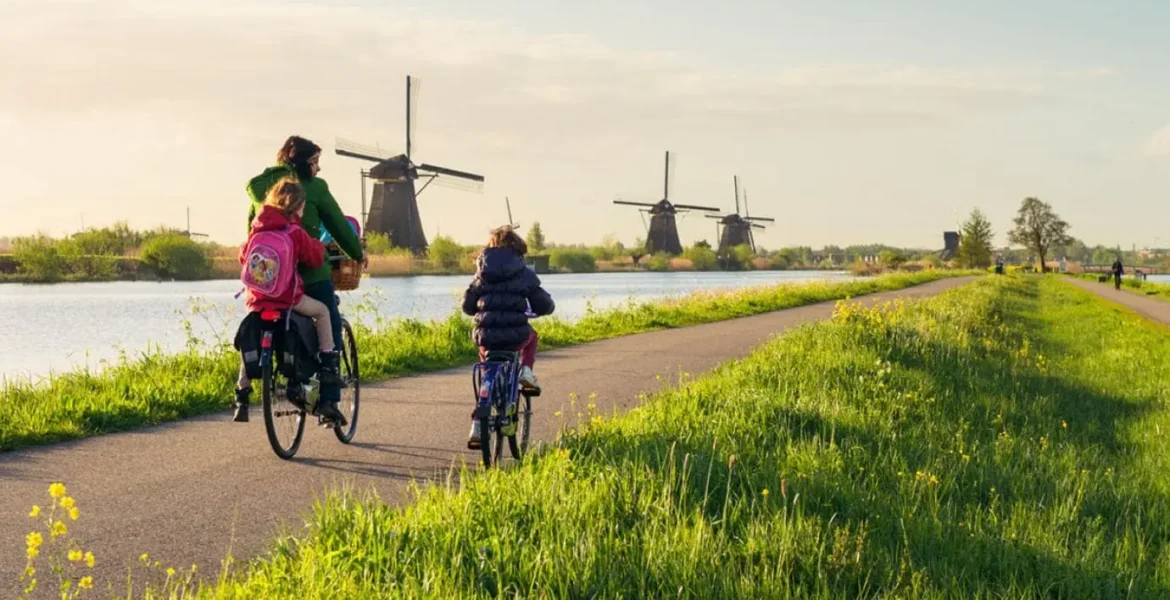
When traveling to green and clean corners of the planet, try to leave them just as clean. If you can’t do it on your own two feet, and you’re tired of public transport, then give preference to cycling. Or you can rent an electric car, a hybrid car or a car with a fuel cell engine.
7. Stay in green hotels
Recently, tourists are increasingly paying attention to the environmental component of the hotels they stay in. In an effort to comply with the latest eco-trends and not lose customers, hotels at all levels apply the principles of saving water and electricity, use alternative energy sources, properly dispose of waste, use environmentally friendly materials in construction, and even conduct educational work among staff. In order to find out whether a hotel is concerned about the environment, it is enough to find information about whether it has a special environmental certificate (LEED, Green Hotel, Green Leaf, Green Key).
By the way, some hotels attract tourists by offering exotic dishes and show programs with wild animals. Here you can also follow the principle and refuse such a hotel. You can even save money, because turtle soup for lunch is not offered for a beautiful smile.
8. Choose eco-friendly entertainment
When traveling around Indonesia, for example, you can refuse to visit the zoo in Surabaya, which has already been nicknamed the zoo of death due to the unbearable conditions for the animals.
When studying the traditions of the Faroe Islands, one should not be delighted, much less take part in the mass slaughter of black dolphins and whales.
If you come to enjoy the South African scenery, do not settle for hunting safari services.
Want to try your hand at scuba diving somewhere off Bermuda? Don’t forget the importance of conserving endangered coral reefs.
When planning what places you want to visit in a new country or city, consider the cultural program from an environmental point of view as well. There are many reviews and tips on this topic on the Internet. There is no need to create a stir by funding the extermination of species or the mistreatment of animals.
9. Try to relax unconventionally and without harming nature
Comfortable rooms in five-star hotels are hard to refuse. But at least once you can try to relax in an unusual way. “Green” tourism is becoming more and more popular with each new season. And the imagination of conservationists does not sleep: ecotourism, rural or agrotourism, immersion tourism or stay in rural areas, environmental educational programs and so on. The selection is truly impressive.
10. Little green tips
When traveling, do not forget to turn off household appliances. When in a hotel room, do not unnecessarily turn on the air conditioning or leave the bathroom light on. Use water sparingly, as in some countries it is truly an invaluable resource.
It may seem that in some ways such advice limits your rest. But now the topic of ecology concerns everyone.