
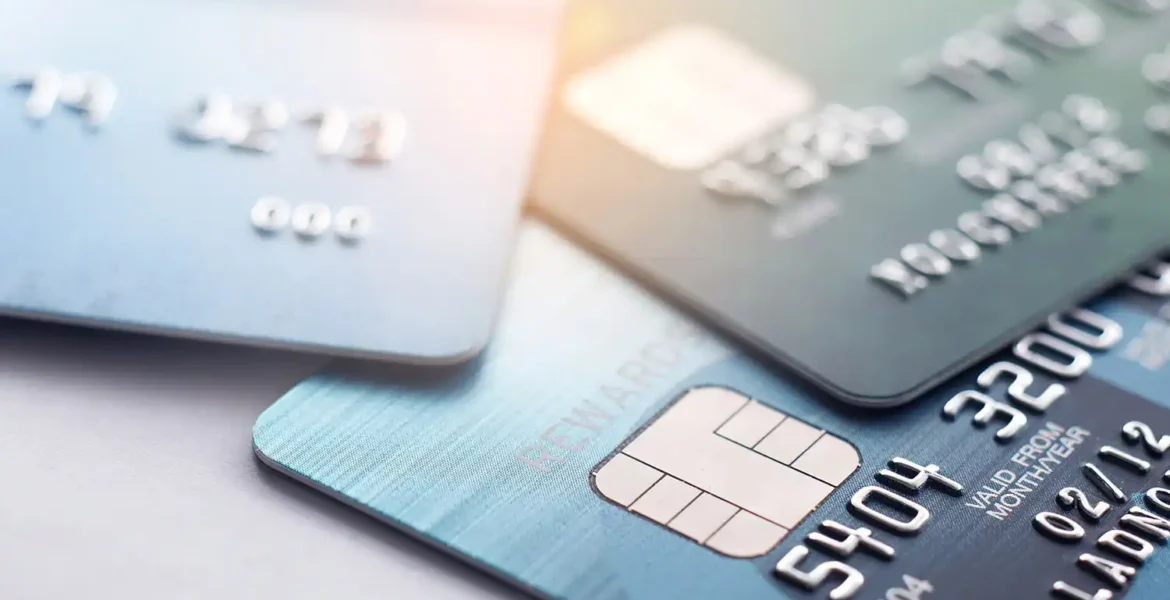
Keeping your bank cards in order can simplify your financial life and minimize risks like loss or fraud. Follow these steps to streamline card management and optimize their benefits.
1. Review your current cards
Start by assessing your existing cards:
- List all your cards (credit, debit, rewards, travel, etc.).
- Identify active and inactive cards.
- Note any fees, including annual charges, that you may want to avoid.
Pro Tip: Financial experts recommend reviewing your card statements quarterly to spot hidden fees and unused subscriptions.
2. Determine your needs
Choose cards based on your financial goals:
- Debit cards: Best for daily spending and ATM withdrawals.
- Credit cards: Useful for building credit and earning rewards.
- Cashback/reward cards: Ideal for maximizing returns on purchases.
- Travel cards: Offer benefits like low exchange rates and travel insurance.
Cancel any cards that don’t align with your needs or cost more than their benefits justify.
Pro Tip: Stick to no more than 3–5 active cards to maintain financial simplicity and avoid unnecessary debt.
3. Compare card terms
Examine each card’s terms carefully:
- Check for fees (e.g., maintenance, cash withdrawal, transfer fees).
- Compare interest rates and reward programs.
- Replace cards with high fees or poor rewards with better options.
Pro Tip: Use comparison tools or financial advisors to find the best card offers tailored to your spending habits.
4. Close unnecessary cards
If you decide to cancel a card:
- Contact your bank to officially close it.
- Pay off any outstanding balances.
- Keep in mind that closing a credit card may impact your credit score, so proceed cautiously.
Pro Tip: Close older credit cards last, as they contribute positively to your credit history length and score.
5. Organize cards by category
Sort your cards for easier access:
- Daily use: debit or low-interest credit cards.
- Travel: cards with no foreign transaction fees.
- Savings/Investments: cards linked to financial growth accounts.
Pro Tip: Use a dedicated wallet or organizer to separate and categorize your cards for easy access.
6. Use digital solutions
Leverage technology for better card management:
- Download banking apps to track transactions and block lost cards instantly.
- Add your cards to mobile wallets like Apple Pay or Google Pay for convenience and security.
Pro Tip: Set spending limits and notifications in your banking app to avoid overspending.
7. Enhance security
Protect your financial data by:
- Using strong PINs, passwords, and two-factor authentication.
- Regularly monitoring statements for suspicious activity.
- Setting up instant transaction notifications.
Pro Tip: Use a RFID-blocking wallet to protect contactless cards from unauthorized scans.
8. Keep information updated
Regularly check and update card details:
- Track expiration dates.
- Update stored payment methods for subscriptions.
- Replace expired cards promptly.
Pro Tip: Enable auto-update features for subscription services to avoid disruptions when a card expires.
9. Dispose of old cards safely
Ensure secure disposal of unwanted cards:
- Cut them into small pieces to prevent data recovery.
- Follow your bank’s specific disposal guidelines if applicable.
Pro Tip: Shred your old cards and dispose of them in different trash bins for added security.
10. Plan your spending
To make the most of your cards:
- Monitor expenses and set a budget.
- Prioritize high-reward, low-fee cards.
- Regularly reassess your card portfolio to optimize benefits.
Pro Tip: Set up automatic payments for bills to avoid late fees and improve your credit score.
Best Credit Cards for 2025 – Top Picks
| Card Name | Best For | Annual Fee | Rewards & Benefits |
|---|---|---|---|
| Chase Sapphire Preferred | Travel | $95 | 2x points on travel & dining |
| Capital One Quicksilver | Cashback | $0 | 1.5% unlimited cashback |
| Amex Blue Cash Preferred | Groceries | $95 | 6% cashback on supermarkets |
| Citi Double Cash | Low APR | $0 | 2% cashback on all purchases |
| Discover It Secured | Building Credit | $0 | Cash back match for the first year |
By taking a systematic approach to managing your bank cards, you can improve financial control, reduce risks, and maximize the benefits they offer.
Start organizing today and take control of your financial future!