
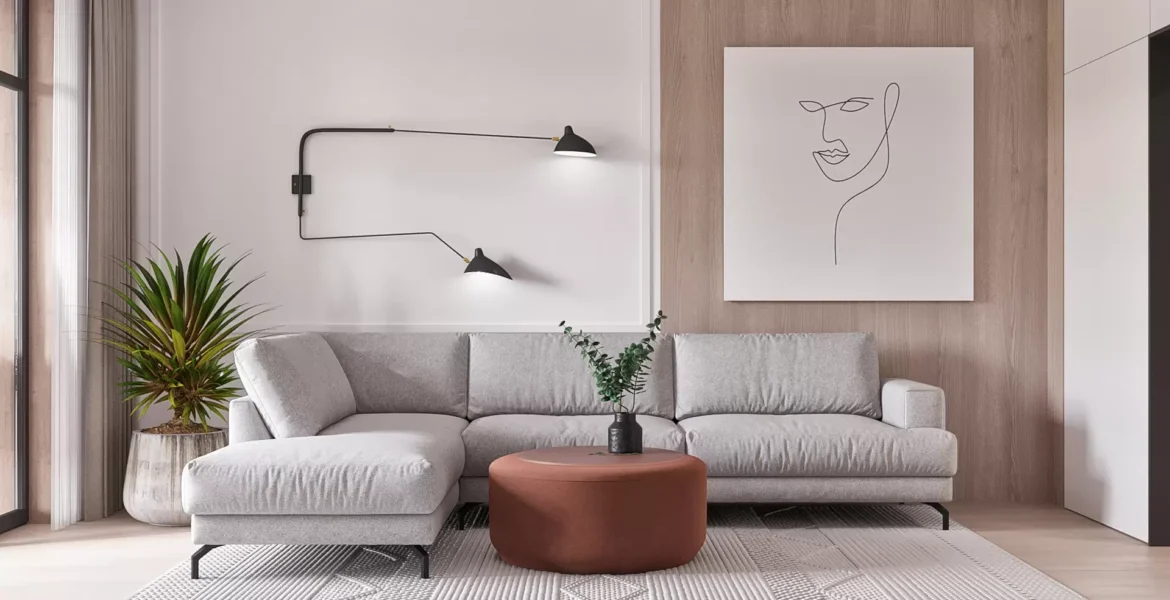
Simplicity, Functionality, and Tranquility
Minimalism is not just one of the branches of design and its trends, but also a philosophy of life that calls for simplicity, functionality, and harmony in space. It is more than just the concept of “less things.” Minimalism design is about carefully selecting elements with their own function and beauty that create almost meditative spaces.
What is minimalism based on
Simplicity and purity of form
Minimalist design is about simplicity of form, which reduces interior elements to a minimum. This excludes complex patterns or decorative elements of flashy colors and unusual patterns.
Functionality
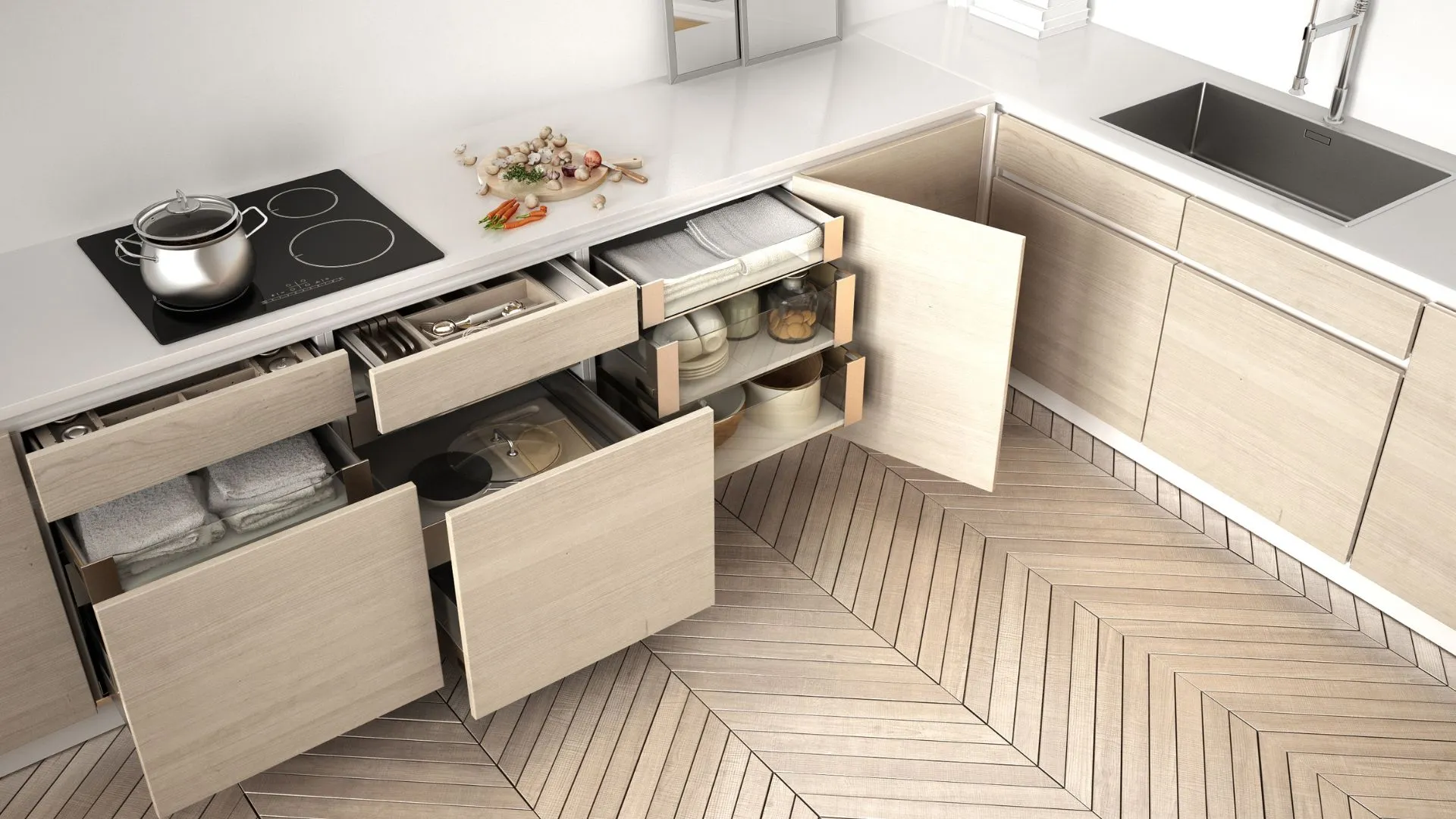
In addition to aesthetics, the main feature of minimalist design is the functionality of all interior elements. Designers choose multifunctional furniture and interior items that are ergonomic and convenient.
Minimum of materials and colors
Minimalism in interior design is often characterized by the practical use of materials in neutral and monochrome colors. This enhances the perception of space, rather than color or texture.
Organic combination with the environment
A minimalist apartment design often involves the use of elements that harmoniously combine with the surrounding natural or urban environment, emphasizing the connection between the inner and outer worlds.
Avoiding excess and decor
Minimalist design eliminates unnecessary decorative details, focusing on the necessity and essence of an object or space.
Minimalist design in an apartment and a private house
Furniture
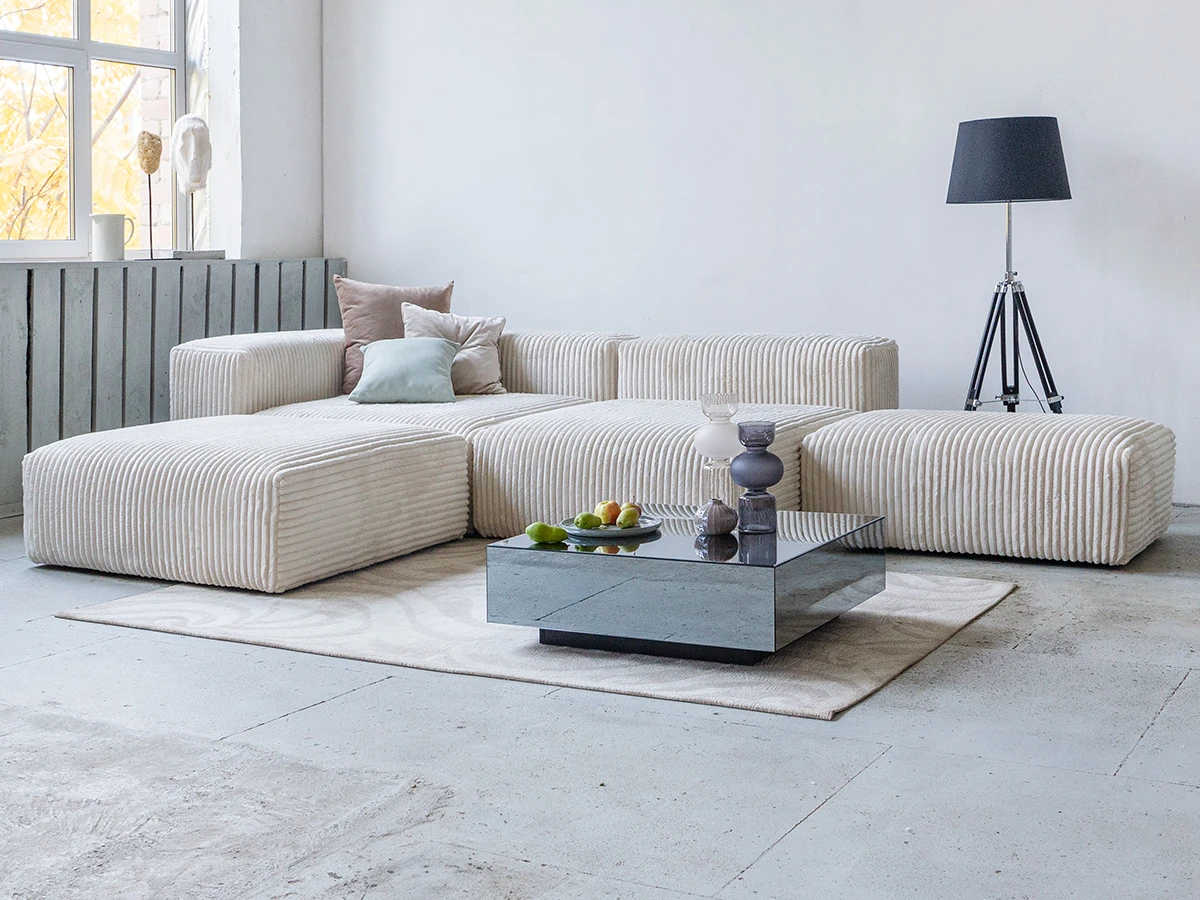
Creating a minimalist design for an apartment or a private house using furniture requires attention to functionality and aesthetics. Furniture should be simple in form, with clear lines and without excesses. Avoid overloading so as not to clutter the space.
Another important principle is the use of multifunctional furniture. For example, a sofa bed for a guest room or a coffee table with additional storage for a blanket or books.
For example, in the living room you can use a simple geometric sofa, a minimalist coffee table and a small TV in the wall without massive stands and cabinets. In the bedroom a bed with a low headboard, built-in wardrobes and bedside tables without an elaborate design. In the kitchen smooth cabinets without handles, hidden storage systems and built-in appliances.
Materials and textures
If you want to create a minimalist style in the design of an apartment or a private house, then choose simple but high-quality materials. The goal is to create a space that feels orderly and with enough light.
If you are planning a renovation, then give preference to natural materials: wood, stone, glass or metal. To add zest to the interior, choose contrasting textures. For example, smooth metal surfaces can be combined with rough wooden elements.
Avoid complex patterns or graphic designs. Minimalism in interior design is simplicity in everything: in decoration, furniture and decor. This can be white or beige walls, floors made of natural wood or polished concrete, quartz countertops and minimalist furniture made of wood or metal.
Colors and shades
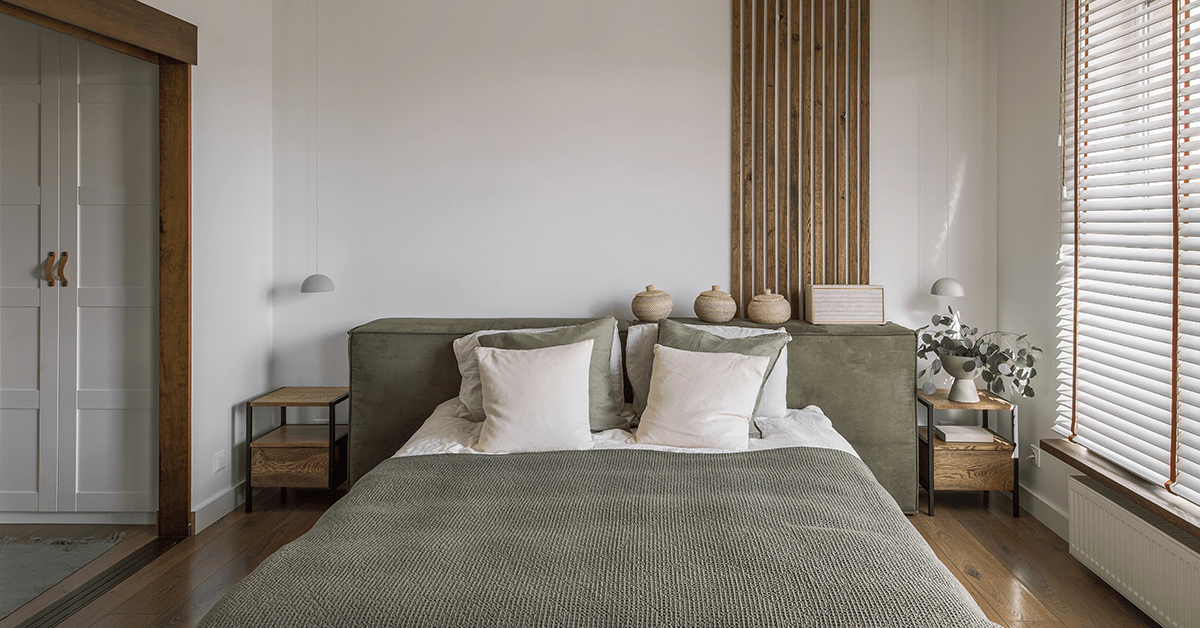
Living spaces in this style are often done in discreet colors: white, gray, beige or black. These shades make the space more airy.
You can add accent colors for depth or interest, but don’t overdo it: choose them carefully. Often, dark or bright colors are used in the interior. For example, walls and most of the furniture can be chosen in white or light gray shades, and blankets, pillows or a rug can be dark gray or blue.
All colors should be coordinated to avoid disharmony and visual clutter. Instead of bright shades, you can use different textures for variety. For example, rough fabrics on sofas, smooth stone surfaces or matte metal accents.
Decor
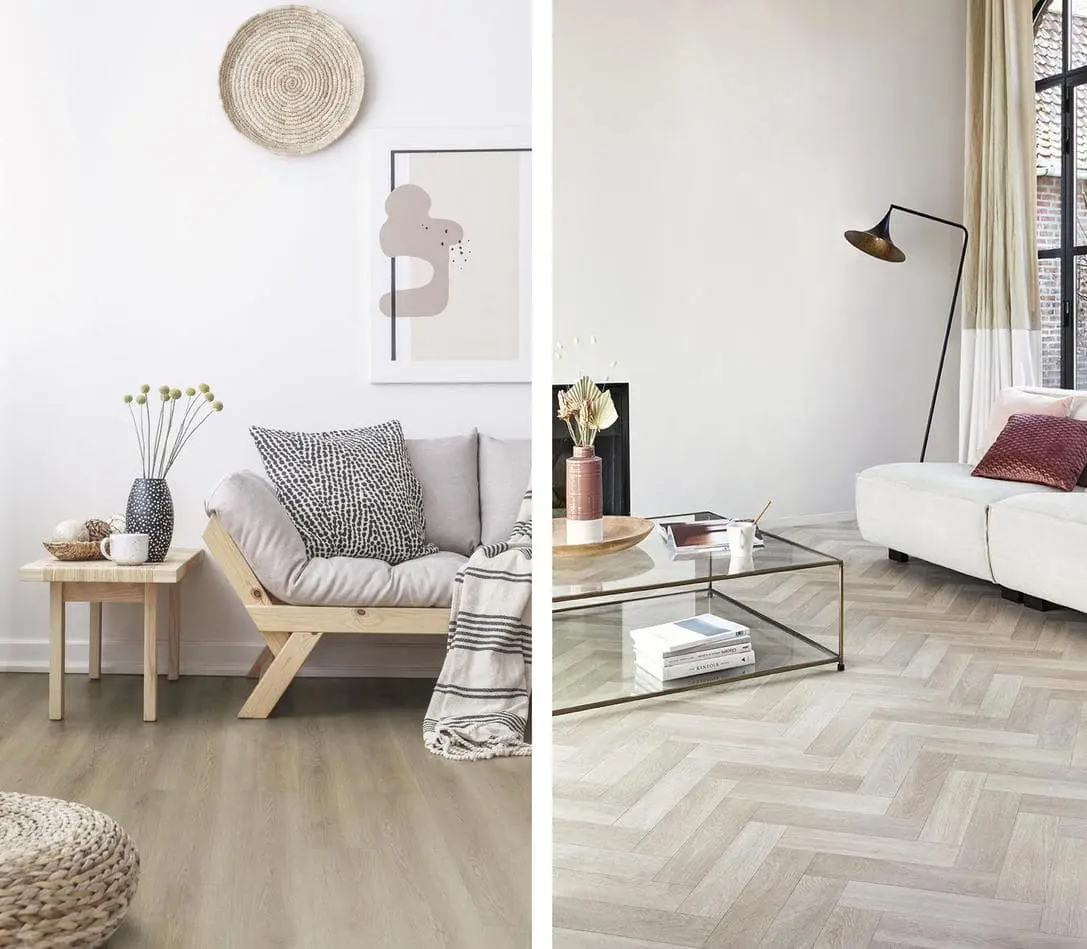
Try to avoid a large number of decorative elements. Choose quality decorative items that add personality to the space. These can be works of art, sculptures or luxurious textiles. The use of plants and flowers will make a minimalist space lively and fresh.
Items should not only be beautiful, but also functional. For example, a stylish table lamp or an elegant vase can serve as an aesthetic element of decor, well, and perform their direct function.
Textiles
For a minimalist design, choose natural materials. These are linen, silk, wool, cotton. The textiles of the apartment should be of high quality, pleasant to the touch, but without maximalist excesses.
Each element should be practical, be it curtains, furniture upholstery or sofa cushions. These can be simple plain curtains without patterns and frills or short-pile carpets with a minimal pattern or without one at all.
Lighting
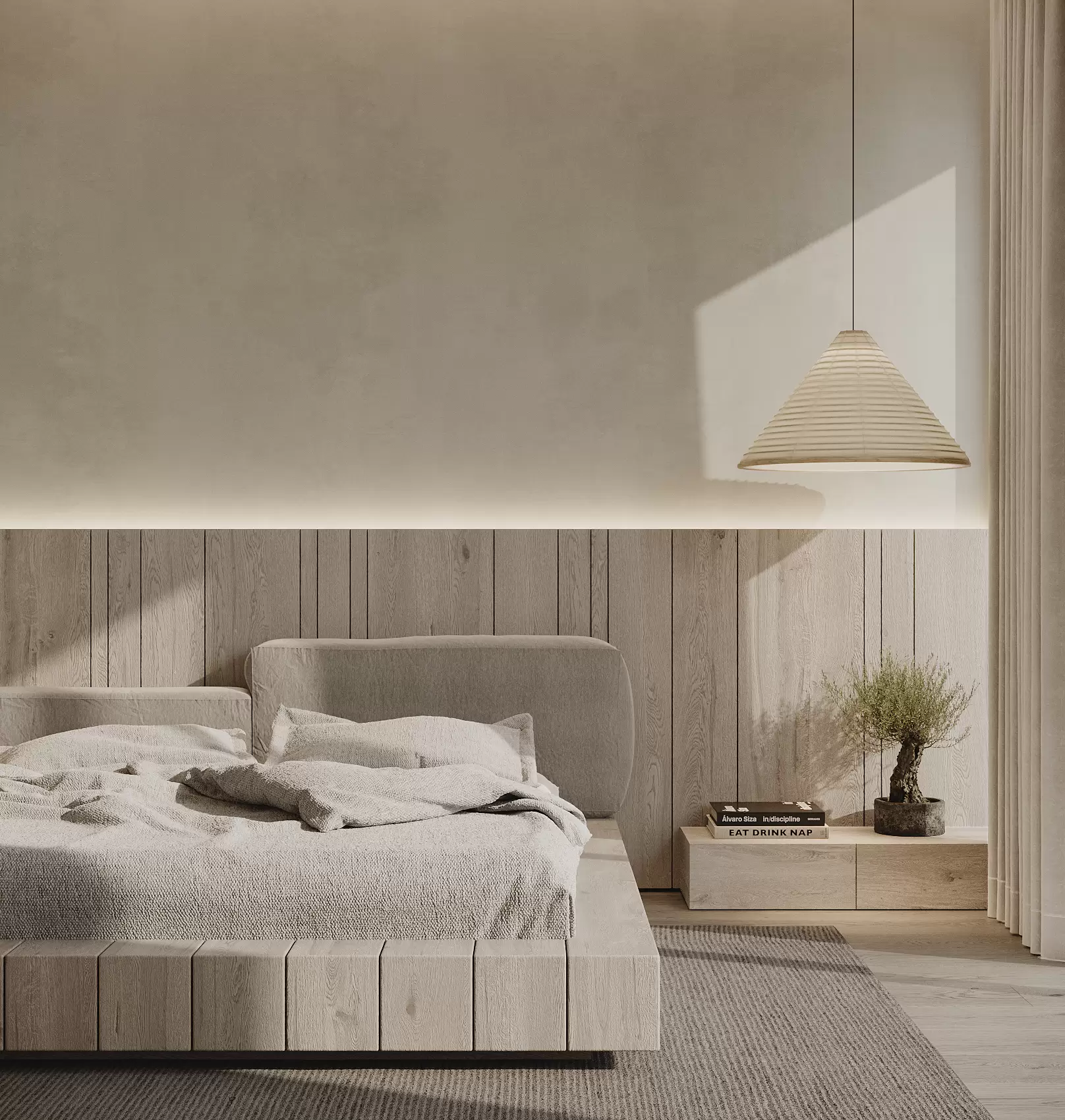
Lighting plays an important role in creating the atmosphere and visual perception of space. Use lamps with simple, clear shapes. Avoid complex patterns, numerous details and all kinds of frills. Use lighting to zone the space and create the desired atmosphere in different parts of the house.
The use of natural light from windows, for example is also key in the minimalist style. Large windows, sheer curtains or no curtains at all help achieve this. The more windows, the better. They increase the penetration of sunlight and visually expand the space.
Room decoration
Walls
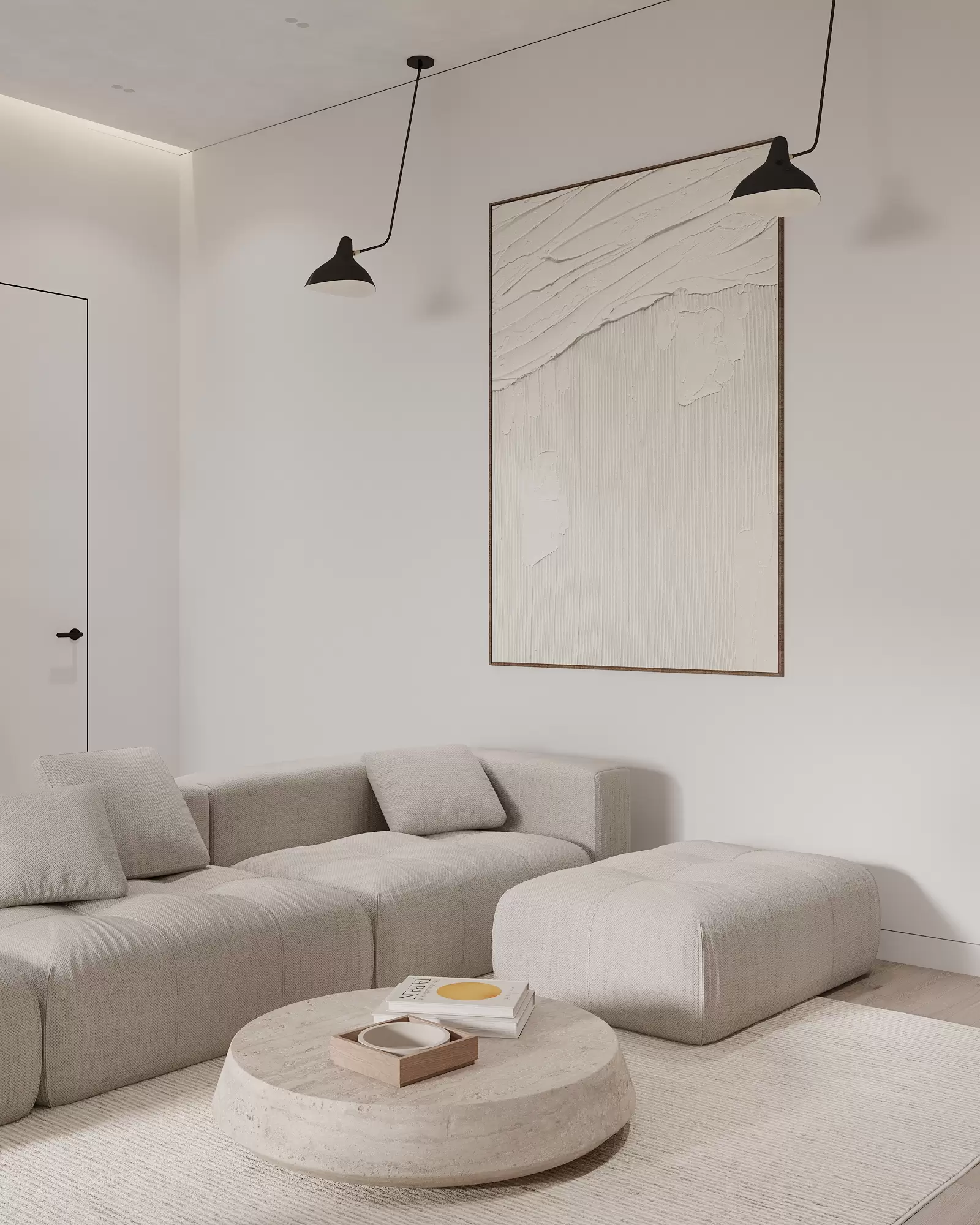
It is better to paint the walls in subdued colors. These are traditionally shades of white, light gray or beige. Avoid wallpaper with large patterns.
If you choose artwork or photographs for the walls, leave free space around each piece. Simple frames or no frames fit well into a minimalist interior design. Built-in shelves for books or decorative items can be painted the same color as the walls.
Floor
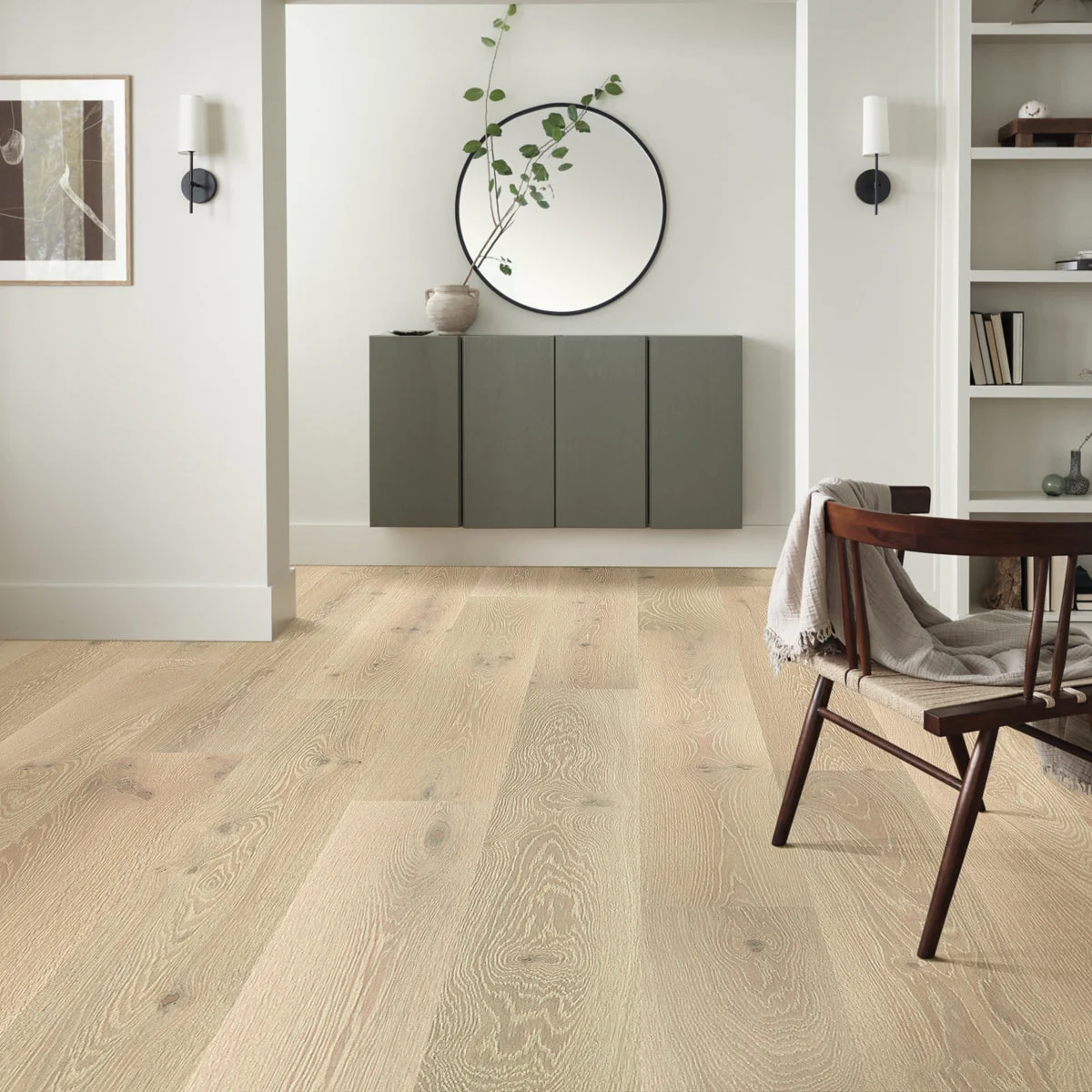
Preference is given to simple materials such as wood, stone or polished concrete. If carpets are used, they should be plain or with a minimal pattern. Choose carpets that fit into the color scheme of the interior.
Ceiling
The ceiling should be simple, often painted white. Use built-in or subtle lighting, such as spotlights or hidden lighting. Avoid complex multi-level designs. If you use suspended ceilings, keep them simple and clean-lined.
Expert Tips
Use neutral colors, but don’t be afraid to add accents of brighter colors to give the interior a personality.
If you are planning a renovation, clear the space of clutter and analyze each item, asking yourself: “Do I really need this?”
Choose practical furniture that uses space efficiently and combines several functions. For example, offering extra storage to maintain order and minimize the amount of extra furniture.
Prioritize natural light and open space to create a feeling of spaciousness and freedom.
A minimalist interior does not necessarily mean expensive furniture and materials. The main thing is that all the interior items of the apartment or house match each other, serve for a long time and do not narrow the space.