

Taking a vacation with your family sounds like a dream until it comes to packing. Prepare a list of everything you might need on the road
Car kit
Before a long trip, it’s better to take the car for diagnostics. But even after a full check, it’s worth going through the list and putting everything you need in the trunk in case of an emergency. If possible, install a roof box on the roof. Things like a tent and folding chairs will go there: they are not needed constantly, so it’s better that they don’t take up useful space in the trunk.
A pre-planned route will help you avoid traffic jams. And in case of communication problems and dead devices, it’s worth taking a paper atlas. And don’t forget about consumables! Light bulbs, windshield wipers, a can of gasoline. There’s always a chance to bring it back, but it’s better this way than to end up with an empty tank on a deserted highway.
What to take:
- jack;
- spare tire;
- a set of car tools;
- a compressor for inflating tires;
- an emergency stop sign;
- a reflective vest;
- a tow rope;
- auxiliary starter cables;
- a car fire extinguisher;
- a gasoline canister;
- windshield washer fluid;
- other consumables (lamps, windshield wipers, batteries);
- a first aid kit;
- a flashlight.
Documents and cash
All participants in the trip will need passports, the smallest ones – birth certificates, four-legged ones – a veterinary passport. It is better for everyone who could hypothetically get behind the wheel to have a driver’s license. These same people must be included in the car insurance in advance.
Bank cards can fail in remote regions. In addition, the payment terminal may be out of order even at a more or less “civilized” point: at a gas station, in a grocery store, or at the entrance to a toll road. Therefore, provide a reserve of cash. And documents confirming the benefit will help you save in tourist places: student cards, pension certificates, disability certificates, etc.
What to take:
- passports / birth certificates;
- driver’s licenses;
- vehicle registration certificate;
- vehicle registration certificate;
- compulsory medical insurance policies;
- motor third-party liability insurance policy;
- documents confirming the benefit.
Gadgets
In addition to basic equipment such as smartphones and laptops, other devices may also be useful on the road. For example, photo or video cameras to capture the trip. You can dump excess content onto an external hard drive. With a portable speaker, the music will stay with you even after you turn off the car. And with a cigarette lighter splitter and a power bank, you will always have the opportunity to charge numerous gadgets so as not to be left on the road without communication or navigation.
There are also less obvious options. For example, with a radio and an antenna, you can immerse yourself in the world of truckers and find out which cafe is worth eating in and which is not, where the next traffic police post is located and how to get around a traffic jam.
What to take:
- DVR;
- chargers;
- wireless speaker;
- headphones;
- a charged power bank (or better yet, several);
- a cigarette lighter splitter with charging slots;
- adapters for sockets;
- antenna and radio.
Medicines
Everything is individual here. If you are taking something as prescribed by a specialist or know that you will feel motion sick on the road, you know better what you need to take with you. But there is also a basic first aid kit that will definitely not harm on the road. For example, it will include painkillers and something for an upset stomach. The first aid kit will be more compact if you get rid of the packaging. But take instructions for those drugs whose dosages you do not know by heart.
Do not forget to check the expiration dates, otherwise, instead of the expected benefit, the drugs will cause unexpected harm. Make sure that the containers with liquids and ointments are tightly sealed and pack the ampoules safely. For example, special thermal bags are needed to store and transport insulin.
What to take:
- painkillers;
- antipyretics;
- antihistamines;
- antivirals;
- digestive drugs;
- motion sickness remedy;
- antiseptics;
- sunburn remedy;
- dressings (bandages, plasters).
Hygiene products
This list can be endless. We collected only the basic things, without which any trip will quickly become dusty, sticky and unhygienic.
What to take:
- toothbrushes and toothpastes;
- deodorant;
- shampoo;
- soap;
- razor;
- face cream;
- cotton swabs and pads;
- dry and wet wipes;
- sunscreen;
- feminine hygiene products.
Camping items
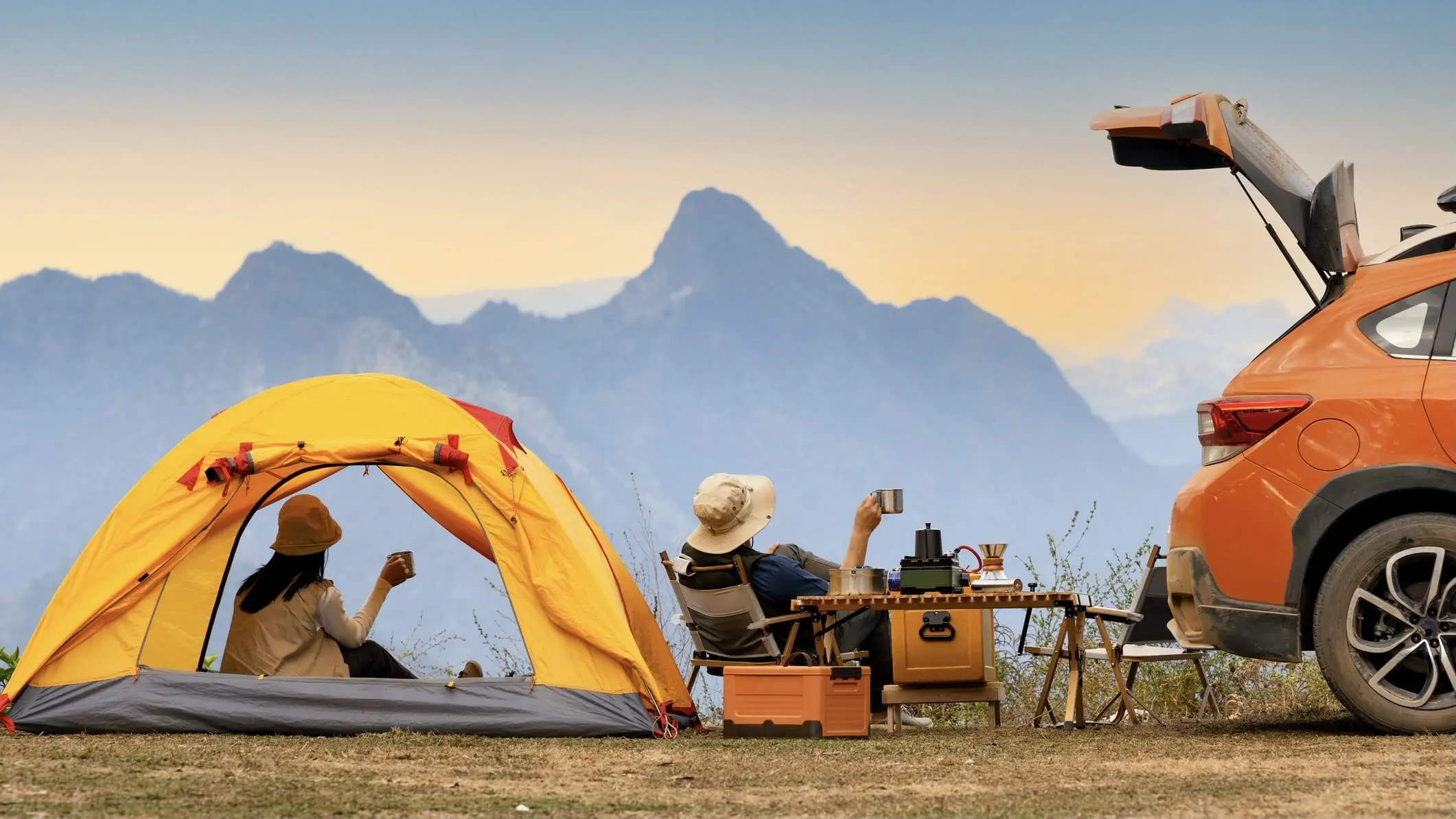
The good thing about traveling by car is that you are not tied to any strict program: you can stop in any beautiful place and have a picnic, go fishing or make a fire. Even if you are planning a city tour, camping items can come in handy to rest on a long road.
The weather forecast will help you decide on the size of the list. Based on it, you will understand how insulated your wardrobe should be. But a couple of warm clothes per person will never hurt. As well as raincoats: they take up little space and will help out in bad weather.
What to take:
- foam mat;
- folding chairs and table;
- a picnic set;
- water heater or portable kettle;
- portable barbecue or camping gas stove with a cylinder;
- cooler bag;
- thermos;
- blankets;
- fumigator.
Snacks
It’s up to you to decide whether to take food or not. If you’re traveling with children, a couple of fruit purees, cookies, and nuts will definitely not be superfluous. For longer trips, you’ll need more serious food supplies. Wash and cut everything you can in advance and don’t pack different foods together, such as bread and cheese. They’ll spoil much faster in one container than in different ones. If you don’t have a cooler bag or car refrigerator, choose foods that won’t spoil in the heat.
Water is absolutely useful for all trips – you never know where you’ll get stuck in a traffic jam and what you’ll need to rinse your hands off.
What to take:
- drinking water;
- fresh fruits and vegetables;
- sandwiches;
- crackers;
- nuts and dried fruits.
Everything for children
The list of what children will need on a trip is not limited to diapers, disposable nappies and powders. A car seat with two positions – lying and sitting – will make traveling with babies easier. A table in the car will create space for games. Pillows will help you rest more comfortably, and in sunny weather, curtains with suction cups will come in handy. It is more convenient to place numerous toys in an organizer.
To keep children from getting bored, take something for entertainment. For example, download children’s audiobooks and cartoons to your devices. Focus not only on the interests of the child, but also on the travel program. If you plan to spend most of your trip outdoors, you can throw some small sports equipment in the trunk.
What to take:
- gadgets with books and cartoons loaded;
- board games;
- coloring books;
- balls;
- rackets and shuttlecock;
- inflatable swimming ring.
Everything for pets
You can also travel with pets. In this case, preparation should be especially thorough. First of all, take care of safety: use a lounger, a carrying bag or a special harness that is attached to the belt. Don’t forget about favorite toys and treats to encourage good behavior.
What to take:
- veterinary passport or a document confirming that you are the owner of the animal;
- GPS tracker;
- collar;
- muzzle;
- bowls for food and water;
- food;
- supply of drinking water;
- first aid kit;
- bags for cleaning up feces;
- wipes for wiping paws after walks.