

These plants will withstand occasional watering and will not require constant attention. Some of them are safe for children and animals – scroll through our selection.
1. Succulents
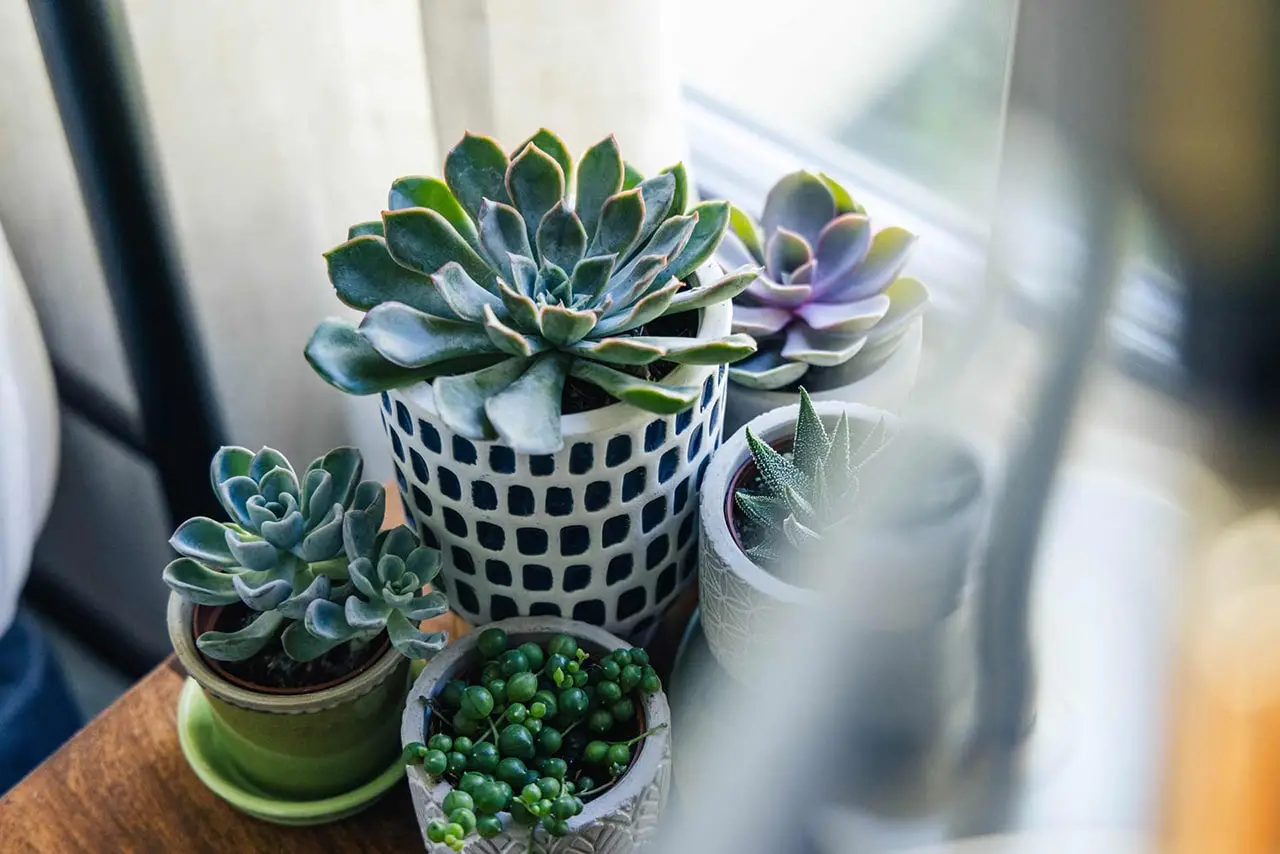
Taking care of them is not difficult. Use a specially selected potting mix for succulents. If you don’t like thorns, choose non-thorny cacti: Discocactus, Ailostera, Mammillaria Bokasskaya.
How often to water? Once every two days in summer and once every four days in other seasons.
Are they dangerous for children and animals? Most succulents are not poisonous but have sharp thorns.
2. Zamioculcas

In addition, zamiokulkas will not take up much space: a narrow tall pot will suit him.
How often to water? When the soil in the pot is completely dry (if in doubt, wait another day before watering).
Is it dangerous for children and animals? It can cause poisoning in anyone who wants to taste it.
3. Chlorophytum
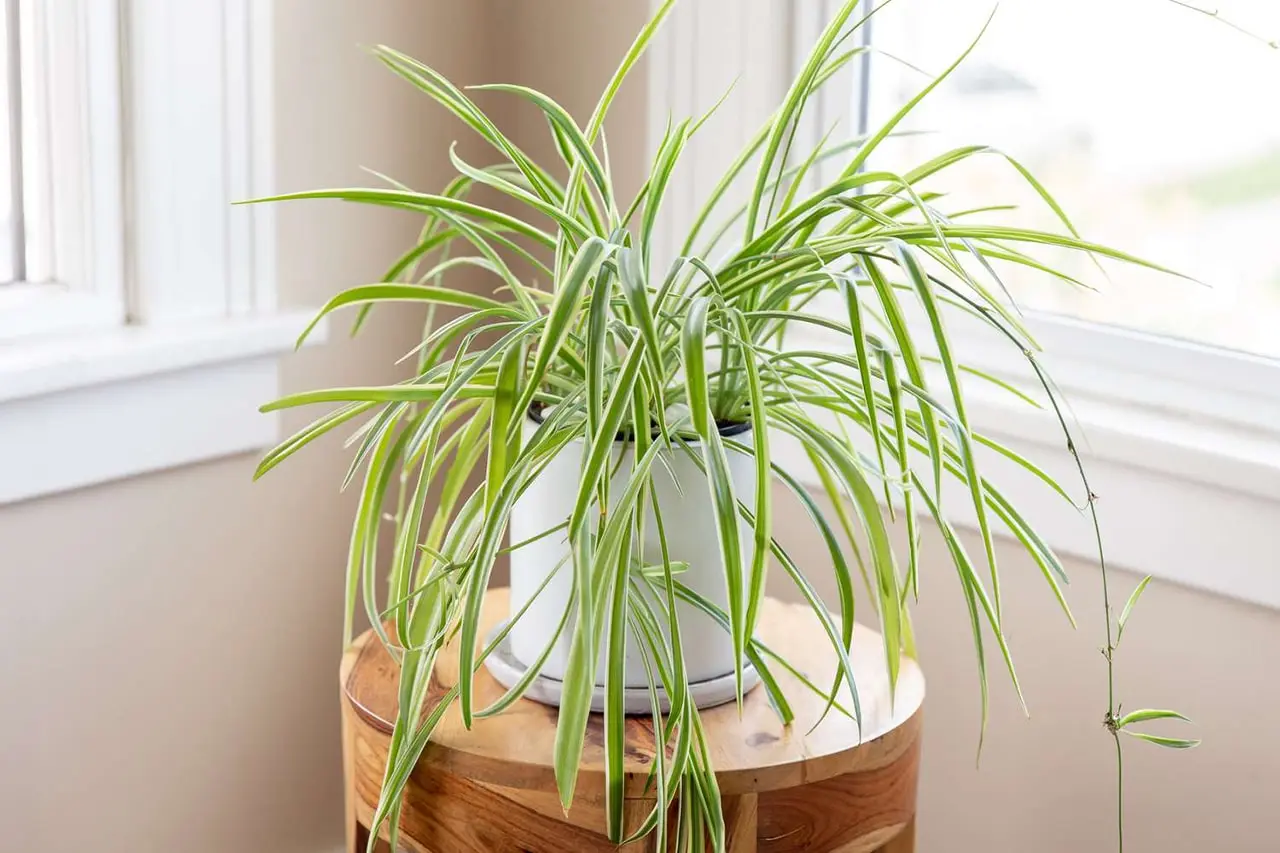
Chlorophytum will not be afraid of shading and coolness (up to +10 C). At the same time, the plant cleans and humidifies the air in the house well. It is believed that it even neutralizes negative energy.
How often to water? In spring and summer, once every two days, in autumn and winter – once a week.
Is it dangerous for children and animals? No.
4. Crassula
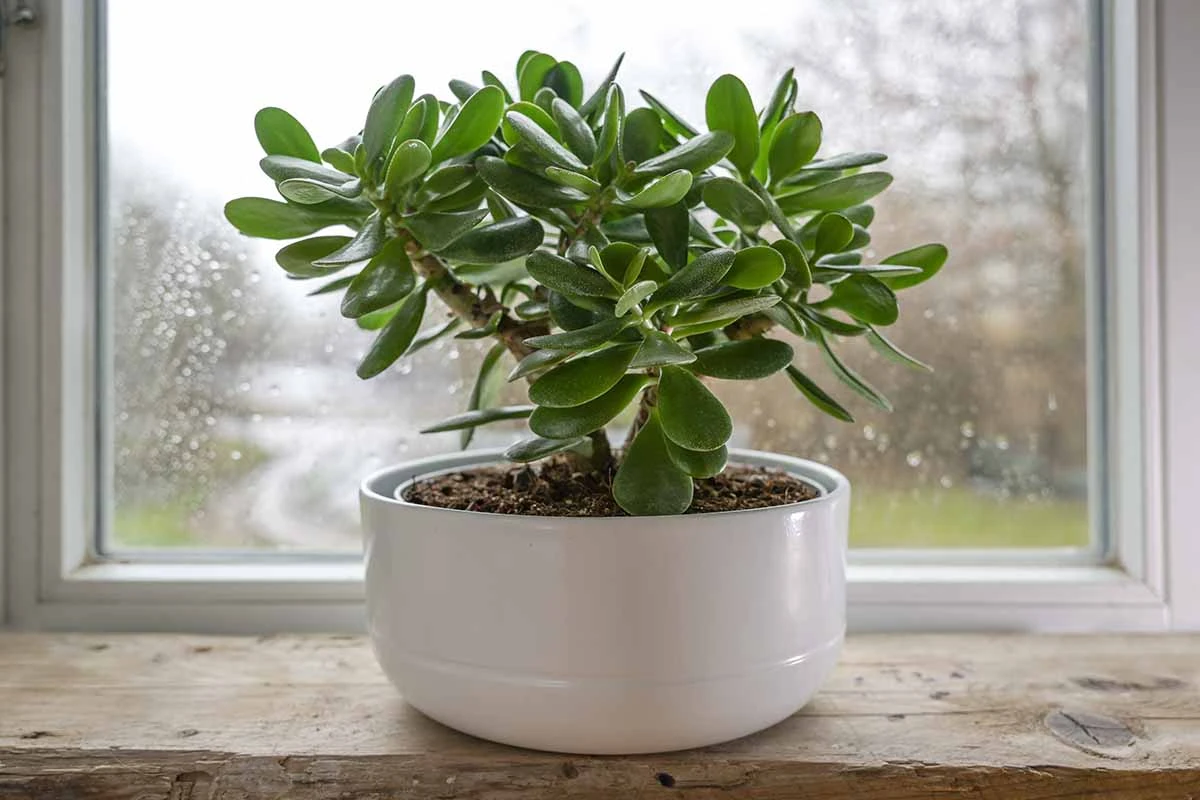
Feels equally good in the south and north of the apartment. By the way, it is distinguished by its fertility: it is enough to stick its leaf into water or into the ground – and in a few days you will receive a ready-made seedling.
How often to water? In winter – 1-2 times a month, in spring and autumn – once a week, in summer – 1-2 times a week.
Is it dangerous for children and animals? May cause poisoning – be careful.
5. Ficus
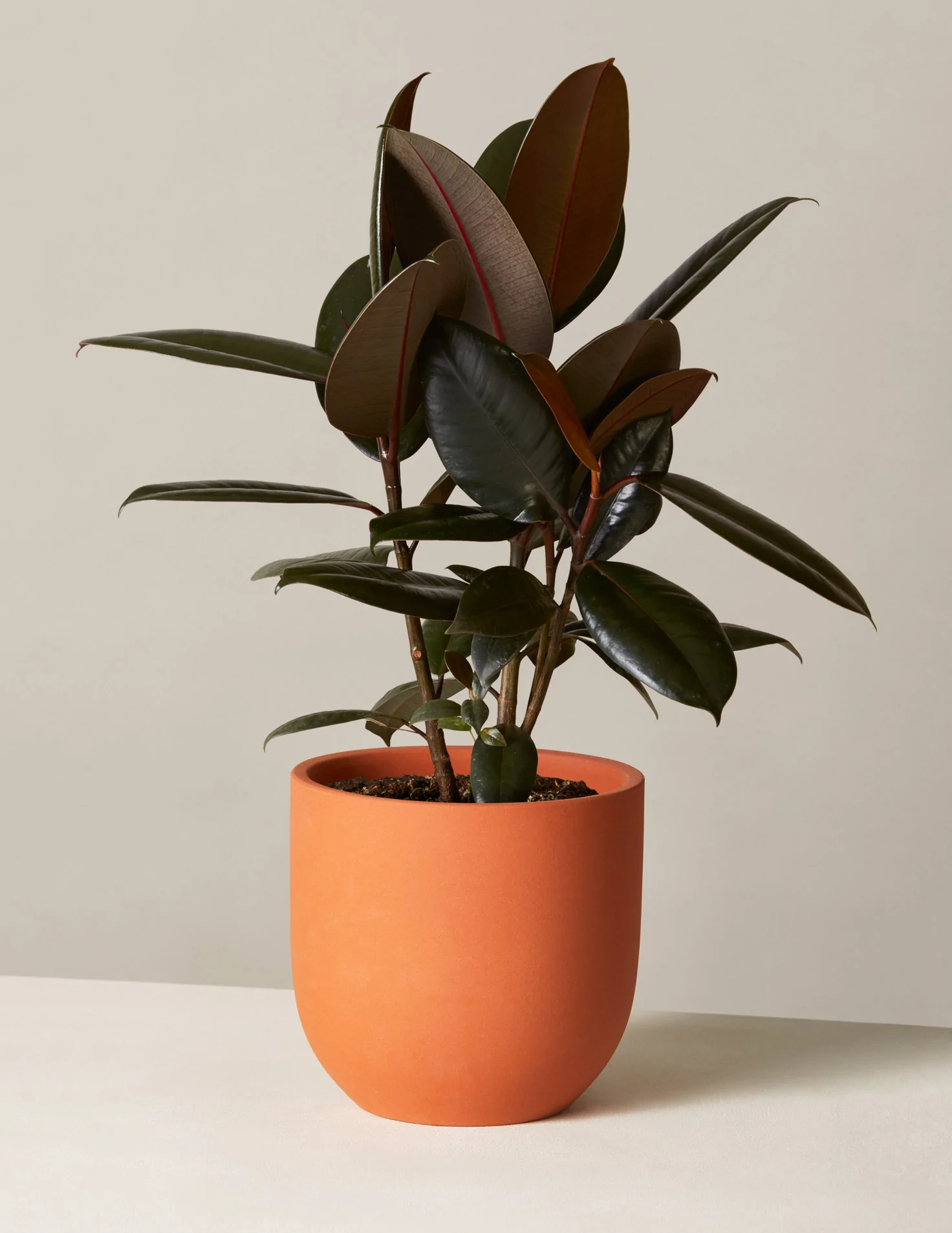
For small spaces, you can choose varieties with small, but no less spectacular leaves. But overgrown specimens will calmly react to pruning.
How often to water? Depending on the condition of the soil. Dip your finger into the ground: if the ground is dry and crumbling, it’s time to water.
Is it dangerous for children and animals? Dangerous for people with asthma and animals (if swallowed).
6. Sansevieria
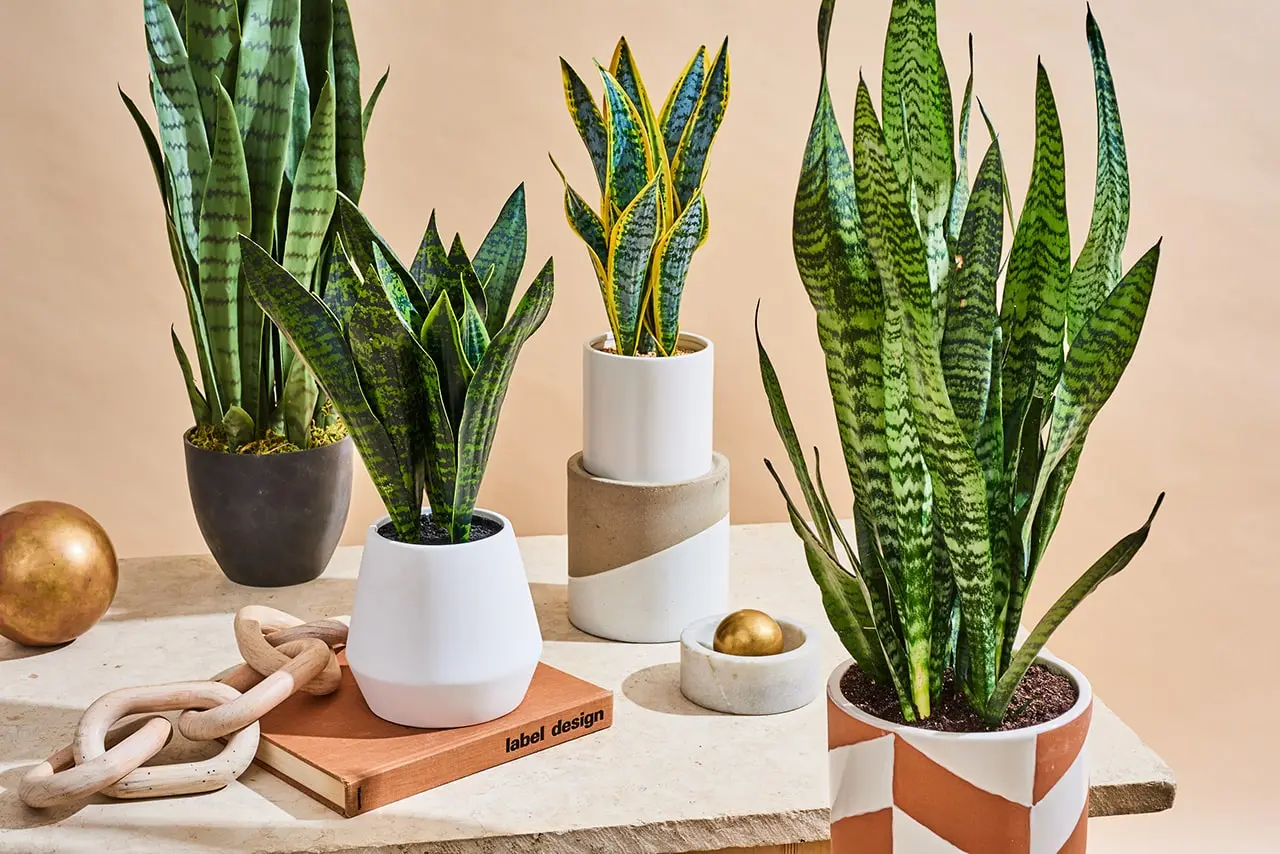
One of the few houseplants that will survive drafty hallways and front doors.
How often to water? As soon as the soil dries out. In winter, watering is limited: once every 2-3 weeks.
Is it dangerous for children and animals? It is safe for humans, but if ingested, it can cause poisoning in animals.
7. Pachira Aquatika

How often to water? Everything is individual: make sure that the soil does not dry out. If the leaves of the plant have become sluggish, then it needs to be watered more often.
Is it dangerous for children and animals? No, the plant is safe for everyone.
8. Spathiphyllum
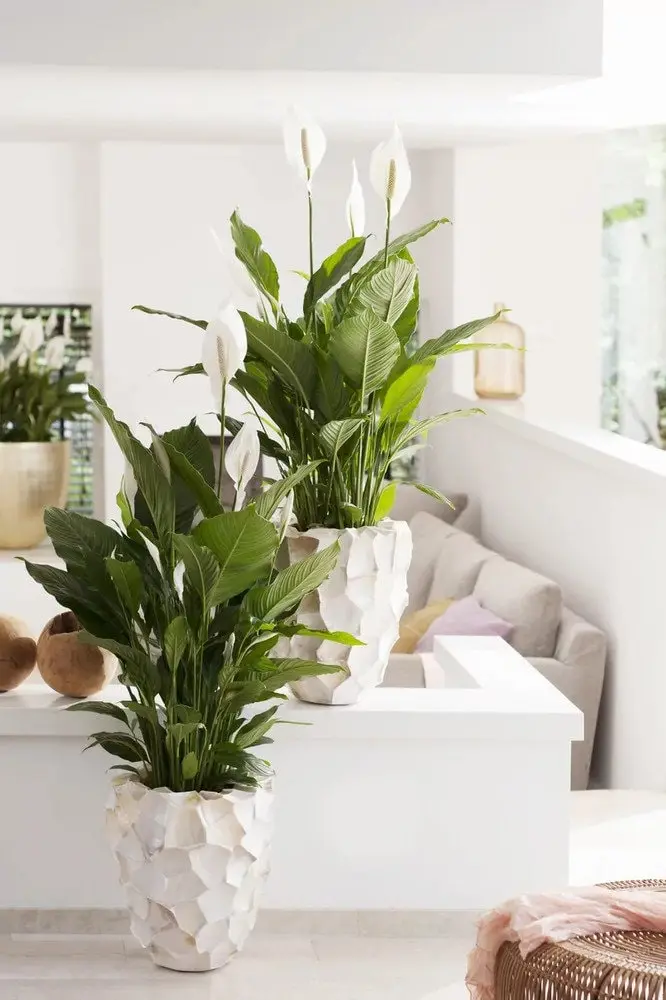
The plant will not refuse fertilizers, but it will not disappear without them. The main thing is to protect it from drafts and cold.
How often to water? In summer – every three days, in winter – once a week.
Is it dangerous for children and animals? Yes, it is better to put the plant higher.
9. Nolina (Beaucarnea)
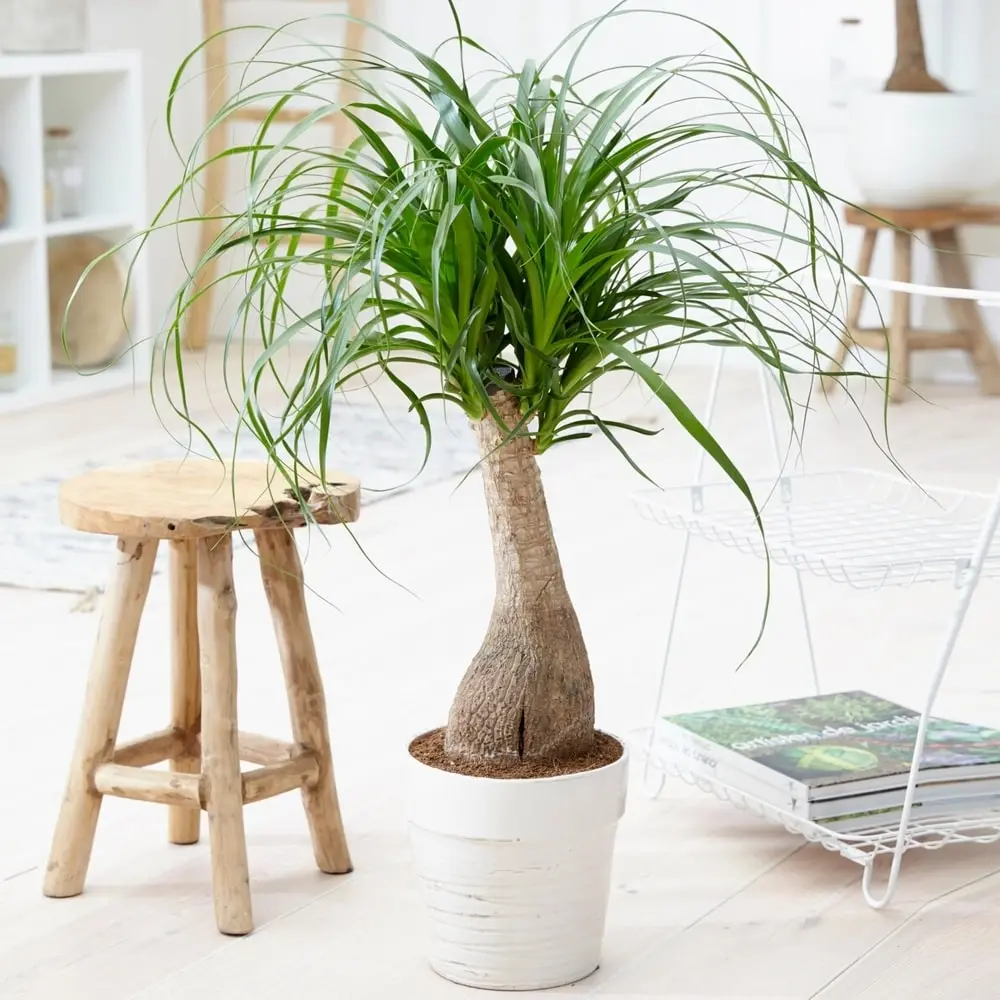
How often to water? Once every 5-7 days, in the heat – more often. In winter, on the contrary, you need to water twice a month.
Is it dangerous for children and animals? No.
10. Scindapsus golden
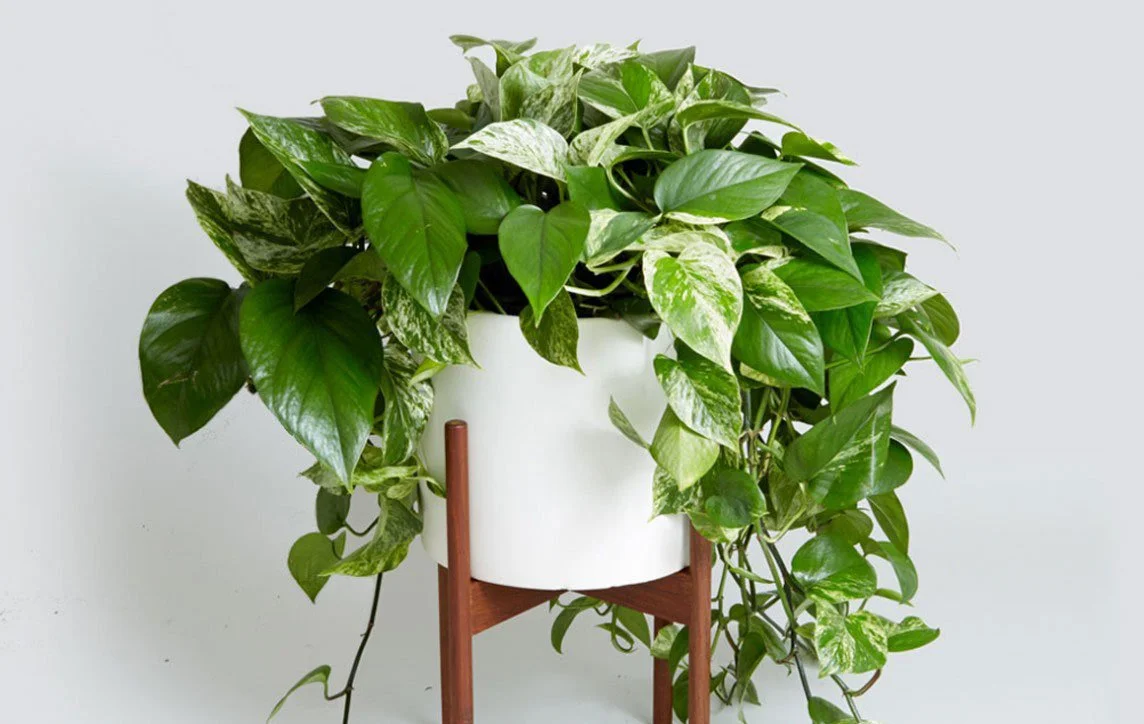
The plant can do without the sun at all, with artificial lighting. It will take root well in the kitchen or in the bathroom, regardless of temperature changes and moisture. And the air in the room will become cleaner.
How often to water? As soon as the soil in the pot dries out by about a third.
Is it dangerous for children and animals? Poisonous, suitable for homes where there are no pets.