
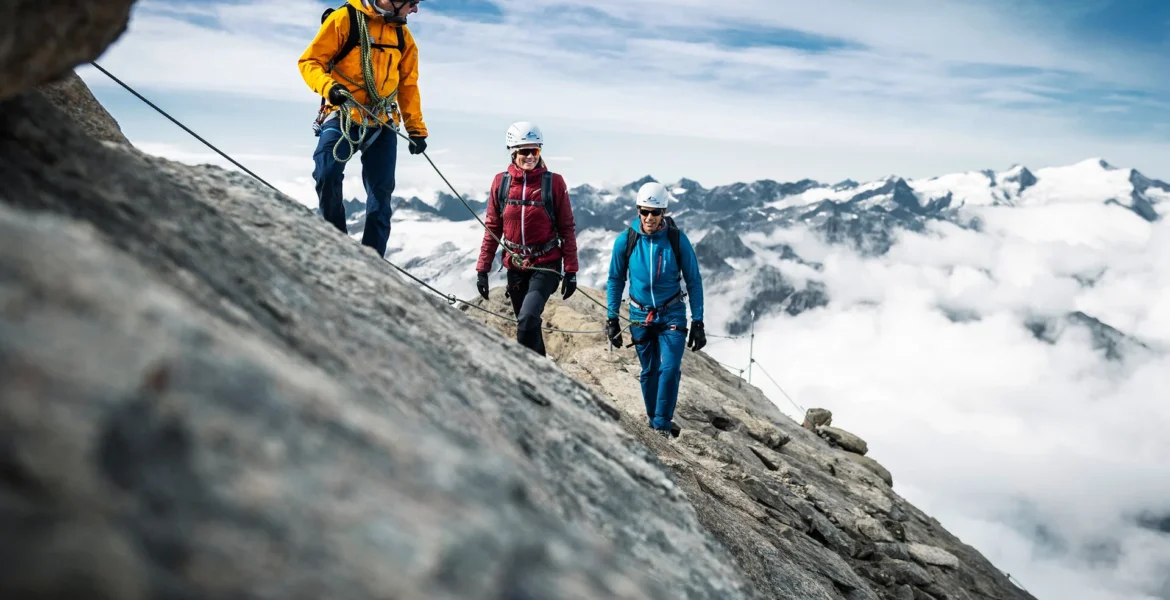
Hiking in the mountains is an exhilarating experience, but proper preparation is essential for a safe and enjoyable trip. Whether you’re a beginner or an experienced hiker, these steps will help you get ready for your adventure.
1. Research your trail
Before setting out, research the trail’s difficulty, length, elevation gain, and weather conditions. Websites, apps, and local hiking forums provide valuable insights into trail conditions and seasonal hazards. Check for permits or regulations specific to the area.
2. Pack essential gear
Your packing list should include:
- Proper Footwear – Sturdy hiking boots with good grip and ankle support to prevent slips and injuries.
- Backpack – A comfortable, lightweight backpack with enough storage for your essentials.
- Navigation Tools – A detailed map, compass, or GPS device to ensure you stay on the right path.
- Clothing – Dress in moisture-wicking layers, and always carry a waterproof jacket and extra socks.
- First Aid Kit – Include bandages, antiseptic wipes, pain relievers, and any personal medications you might need.
- Emergency Supplies – A whistle, flashlight, extra batteries, a multi-tool, and a space blanket in case of unexpected situations.
- Food & Water – High-energy snacks such as trail mix, nuts, and protein bars. Carry at least 2 liters of water per person and a water purification system.
- Trekking Poles – These can reduce strain on knees and provide extra stability on rough terrain.
3. Train physically
Mountain hiking requires endurance and strength. Prepare by:
- Doing cardio exercises like running, cycling, or swimming to improve stamina.
- Strength training for legs and core stability, including squats, lunges, and planks.
- Practicing with a weighted backpack to simulate the actual hike.
- Taking shorter hikes on uneven terrain to build endurance and confidence.
4. Check weather conditions
Weather can change rapidly in the mountains. Always check the forecast before heading out and avoid hiking in extreme conditions like thunderstorms, heavy snow, or high winds. Learn how to read cloud patterns and recognize early signs of changing weather.
5. Tell someone your plans
Inform a friend or family member about your route and estimated return time. This is crucial for safety in case of an emergency. If hiking in a remote area, consider carrying a personal locator beacon (PLB) or satellite communication device.
6. Follow leave no trace principles
Respect nature by:
- Disposing of waste properly – pack out all trash, including biodegradable items.
- Staying on designated trails to protect fragile ecosystems.
- Avoiding wildlife disturbance by keeping a safe distance and not feeding animals.
- Minimizing campfire impact – use a portable stove instead of making fires.
7. Acclimate to high altitudes
If hiking at high elevations, take time to acclimate to prevent altitude sickness. Symptoms include headaches, nausea, and dizziness. To mitigate risks:
- Gradually increase your elevation over a few days.
- Stay hydrated and eat carbohydrate-rich meals.
- Avoid alcohol and strenuous activity upon arrival.
8. Be prepared for emergencies
Despite careful planning, emergencies can happen. Be prepared by:
- Learning basic first aid and CPR.
- Carrying a fully charged phone with an extra power bank.
- Understanding the signs of hypothermia, heat exhaustion, and dehydration.
- Knowing escape routes and nearby emergency shelters.
A well-prepared hike ensures a safer and more enjoyable experience. Plan ahead, pack wisely, and respect nature to make the most of your mountain adventure. By following these steps, you’ll be ready to tackle any trail with confidence and responsibility.
Happy hiking!