
With each passing year, environmental pollution issues become more pressing. Air pollution, high CO2 emissions, and dependence on fossil fuels negatively impact our health and the planet as a whole. Finding new, more sustainable modes of transportation is crucial, and eco-friendly transport is one such solution. Let’s take a look at how we can reduce our carbon footprint by using alternative transportation methods.
1. Electric vehicles: a future without exhaust emissions
Electric vehicles (EVs) represent a significant step toward a sustainable future. Running on electricity rather than fossil fuels, these vehicles significantly reduce CO2 emissions. In recent years, the sales of electric cars have been growing worldwide, and this is no coincidence: battery capacity is increasing every year, and the cost of EVs is gradually becoming more affordable. Additionally, the growing number of charging stations makes driving an electric car more convenient.
Benefits:
- No harmful emissions into the atmosphere.
- Reduced dependence on oil and decreased air pollution.
- Long-term savings on fuel.
2. Hybrid vehicles: the best of both worlds
Hybrid vehicles offer a unique combination of a gasoline engine and an electric motor. This allows for significant fuel savings and a reduction in harmful emissions. On electric power alone, hybrids can travel up to 50-70 kilometers, making it possible to do daily city commutes without using gasoline. For longer trips, hybrids switch to gasoline engines, ensuring optimal fuel efficiency.
Benefits:
- Reduced carbon emissions.
- Greater fuel efficiency compared to traditional vehicles.
- Cleaner air and reduced pollution in cities.
3. Public transport powered by alternative energy sources
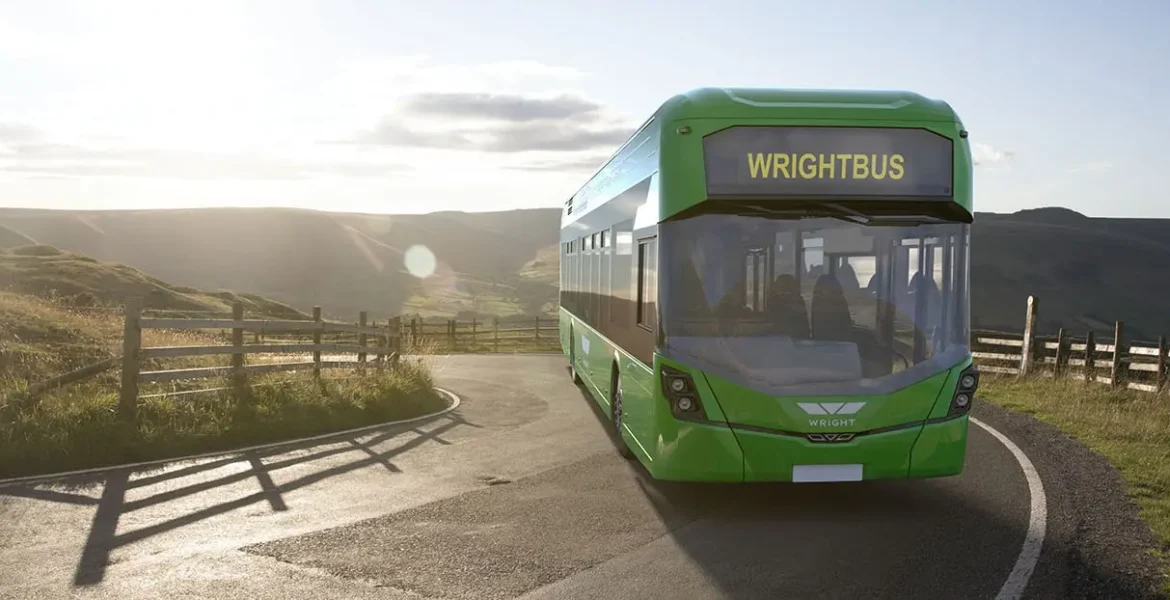
Many large cities are transitioning to more eco-friendly public transport. Electric buses, trams, and hydrogen-powered trains are becoming a reality in countries striving to reduce their carbon footprint. Using natural gas, hydrogen, and electricity as fuel helps cut CO2 emissions and reduce air pollution.
Benefits:
- Reduced pollution in densely populated urban areas.
- Less congestion and more efficient use of urban space.
- Decreased noise levels and improved quality of life for residents.
4. Cycling and electric scooters: quick and environmentally-friendly solutions
For short distances, bicycles and electric scooters are becoming increasingly popular. Not only do these options help reduce emissions, but they also alleviate traffic congestion and improve air quality. Modern cities are increasingly developing infrastructure for cyclists, including bike lanes and scooter rental stations.
Benefits:
- Reduced pollution and savings on fuel.
- Improved physical health and quality of life.
- Fewer cars on the road, leading to reduced traffic.
5. Trams and trains: sustainable and high-speed solutions
Electric-powered public transport, such as trams and trains, is one of the most eco-friendly ways to travel. Especially when these modes of transport are powered by renewable energy, they minimize the carbon footprint and promote more efficient energy use. In Europe, high-speed rail systems are increasingly replacing air travel, significantly reducing CO2 emissions.
Benefits:
- Energy efficiency and low CO2 emissions.
- Comfort and safety in travel.
- Less traffic congestion and reduced pollution on the roads.
The future of eco-friendly transport
New technologies, such as hydrogen-powered vehicles, autonomous electric vehicles, and advanced batteries, open up great possibilities for the future of eco-friendly transport. Governments and companies are investing heavily in creating infrastructure for electric cars, public transport, and bike lanes.
Transitioning to eco-friendly transport is not just a trend but a necessity to reduce environmental impact and improve quality of life in urban areas. Soon, eco-friendly transportation will become the standard, and each of us can contribute to the preservation of our planet by choosing cleaner, more sustainable ways of getting around.