
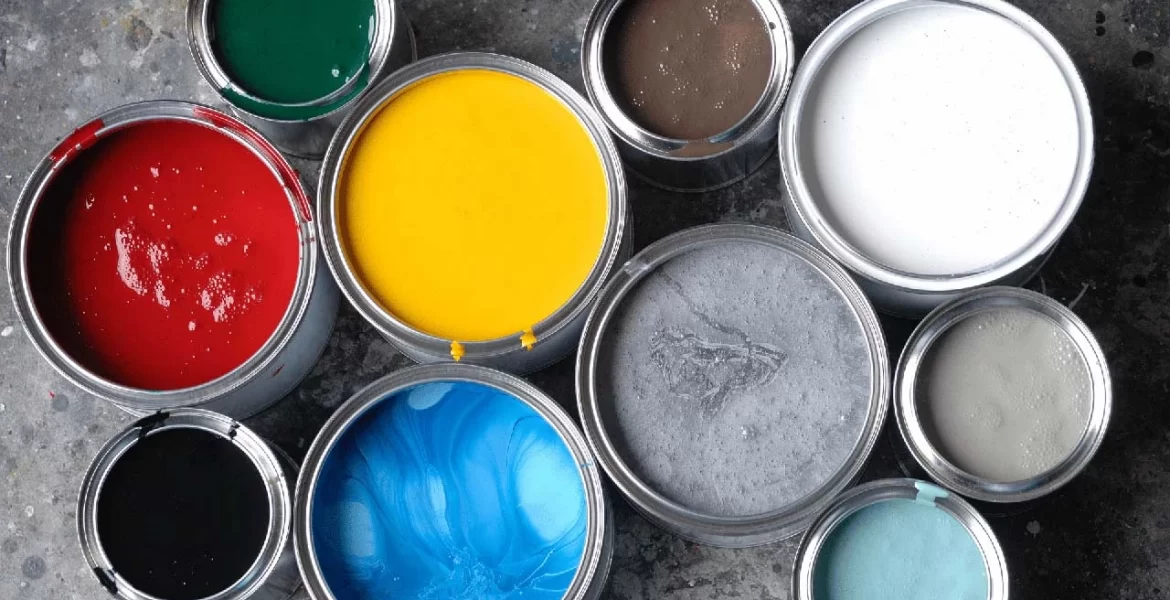
Methods of application and safe removal.
1. Dry and discard
Water-based paint is classified as hazardous waste and is harmful to the environment if it enters the soil and waterways. But the dried one can be thrown away as ordinary household waste.
If there is not much paint left, put the open jar in the sun – everything will dry. If there are so many that the process will be long, put crumpled newspapers, cat litter, sawdust, or some cement inside. They will absorb water and speed up drying. If there is a lot of residue, buy a special hardener.
In the same way, you can safely dispose of other emulsion paints: acrylic, latex, polyvinyl acetate (PVA). If you still have resin-based building materials (alkyd, oil, enamel), proceed to the next steps.
2. Recycling
If you don’t feel like messing around or just feel sorry for throwing away, give the paint to professionals for reuse. It can be accepted at recycling or hazardous waste collection points. You can check the addresses of such points in your city on the map created by Greenpeace.
3. Give to someone who needs it
Ask friends and acquaintances if they are going to just repaint the closet or freshen up the color of the walls in the interior. Look for local charities or movements that need paint. Or place an ad on websites and in thematic publics marked “Give”.
4. Postpone until next time
If the jar is tightly closed, water-based and oil paints can be stored for several years. It may make sense to leave a spare in case the child draws on the walls or furniture scratches appear on the floor.
Clean the edges of the lid and the jar itself of paint, otherwise it will dry out and then it will not be easy to open the container. For greater tightness, place a film under the lid. Make a note on the jar with the opening date. Store paint in a cool, dry place away from sunlight and heaters.