
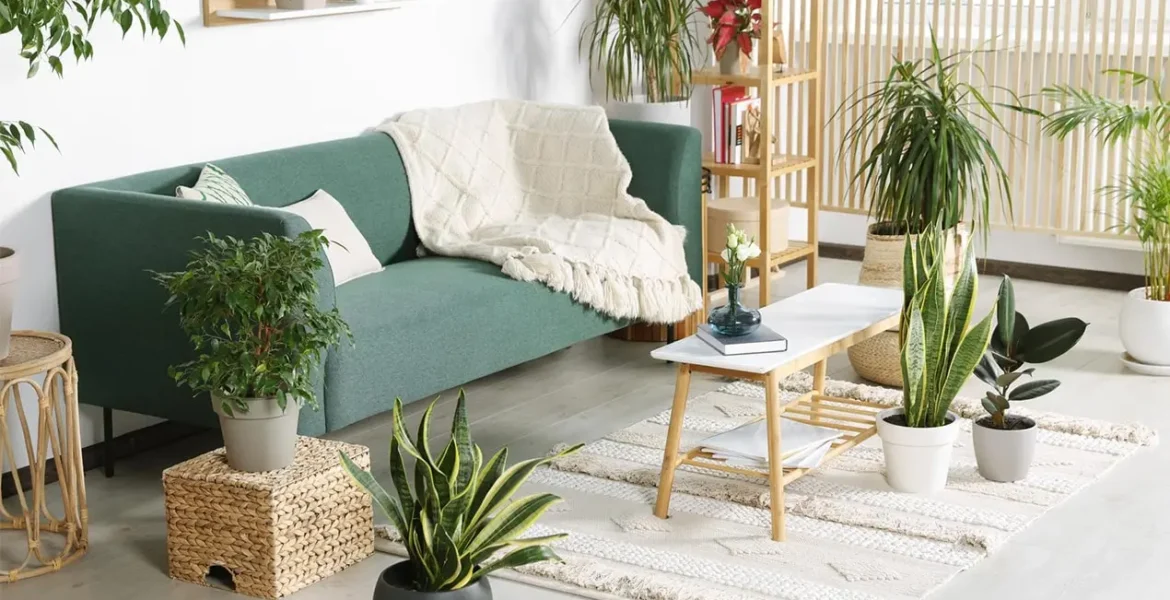
As sustainability becomes a priority for homeowners, eco-friendly interior design is gaining momentum. Beyond reducing environmental impact, sustainable home upgrades can also lower energy bills and improve indoor air quality.
1. Sustainable home design: The future of green living
Sustainable home design focuses on minimizing waste, using renewable resources, and incorporating energy-efficient solutions. Many homeowners now prioritize LEED-certified homes that adhere to eco-friendly construction principles.
2. Energy-efficient home upgrades: Save energy & money
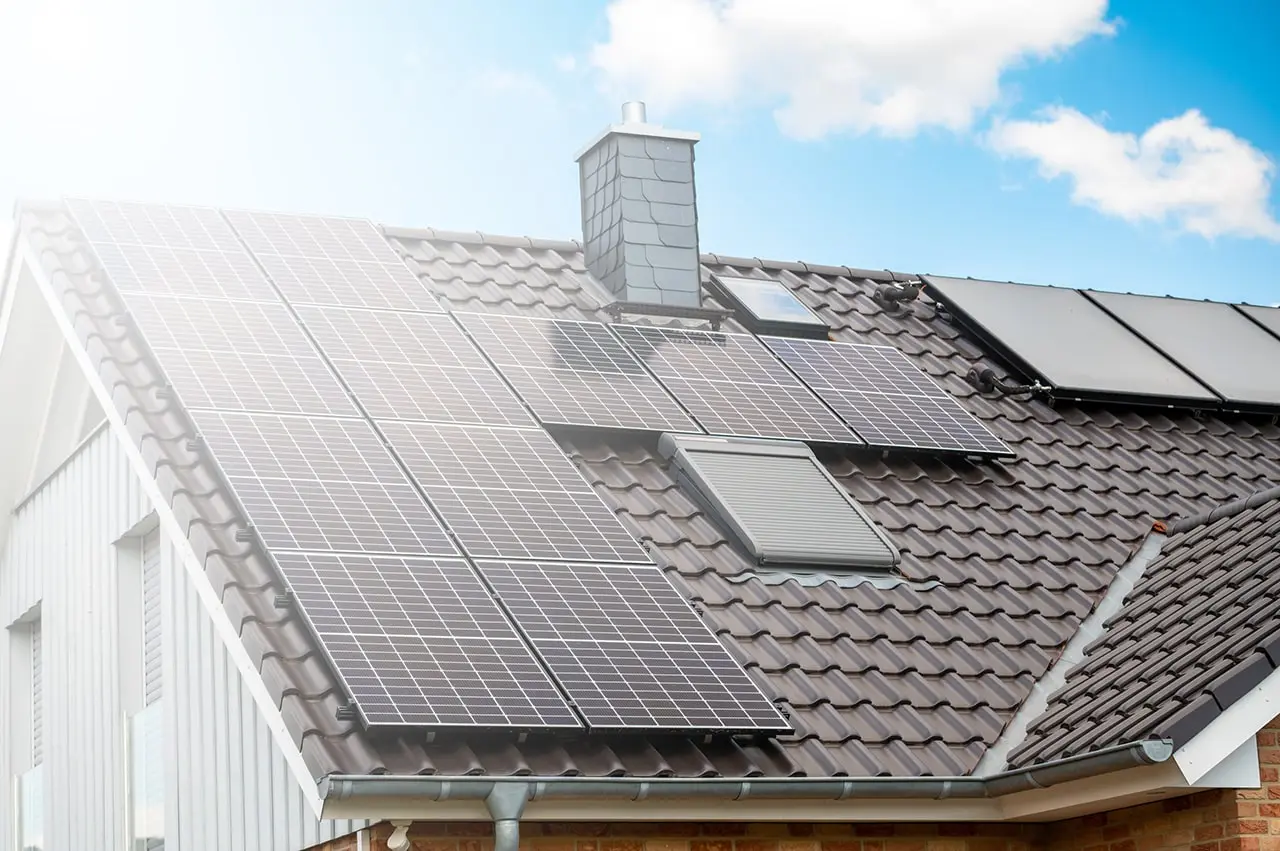
Switching to energy-efficient home upgrades reduces electricity consumption and lowers carbon footprints. Consider installing smart thermostats, LED lighting, and solar panels to optimize energy use.
3. Green building materials: Sustainable Choices for Interior Spaces
Using green building materials like bamboo, reclaimed wood, and recycled metal minimizes waste and enhances aesthetics. Eco-conscious consumers seek non-toxic, biodegradable materials to build a healthier living space.
4. Low-VOC paints and finishes: A healthier alternative
Conventional paints release harmful chemicals known as volatile organic compounds (VOCs), which can lead to respiratory problems. Opt for low-VOC paints to create a toxin-free home environment.
5. Smart home energy management: Optimize efficiency
Smart technology is revolutionizing energy conservation. With smart home energy management systems, homeowners can monitor and control energy use remotely, ensuring optimal efficiency.
6. Sustainable furniture: Stylish and environmentally friendly
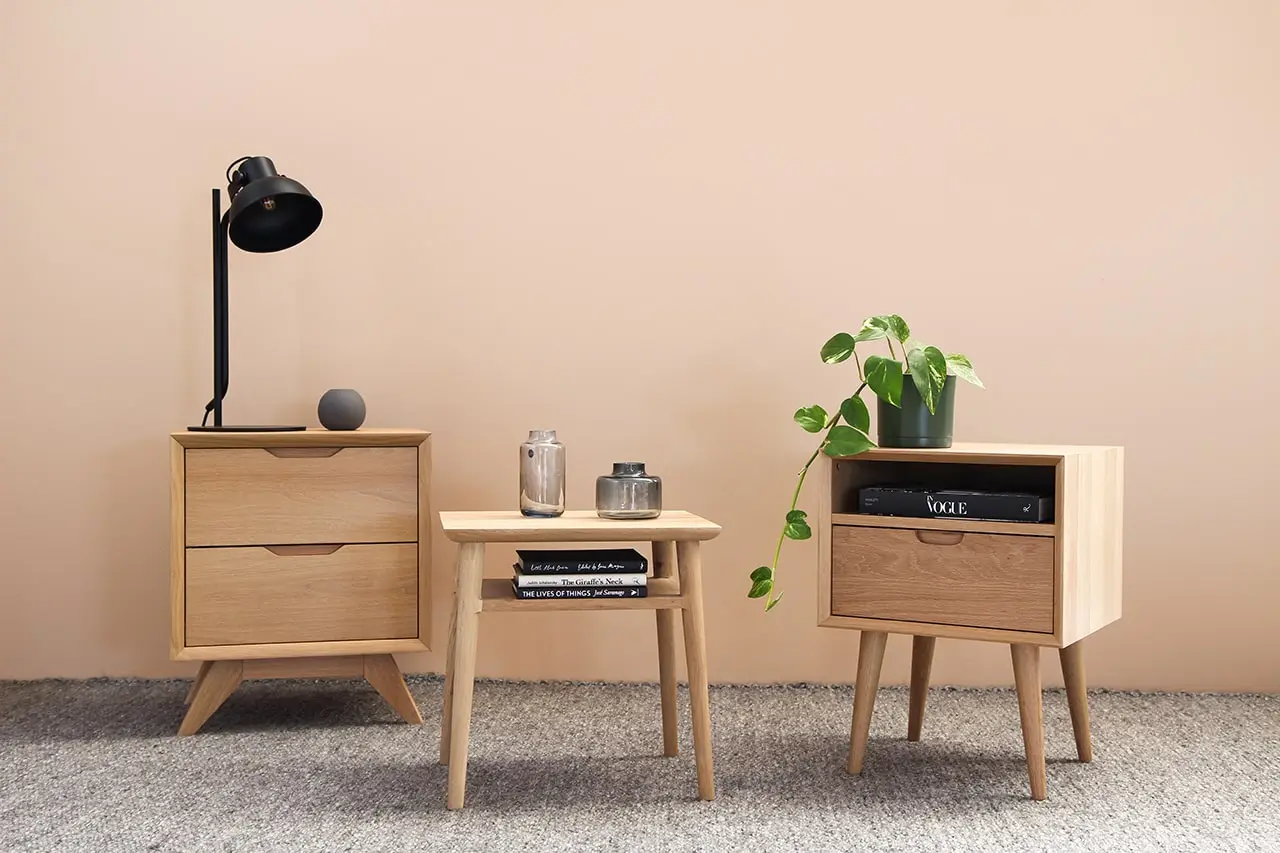
Investing in sustainable furniture made from recycled or reclaimed materials is an excellent way to reduce waste. Brands now offer ethically sourced wood and non-toxic upholstery options.
7. Renewable energy integration: Harnessing the power of nature
Integrating solar panels, wind turbines, and geothermal heating into home design ensures long-term sustainability. Many governments also offer incentives for homeowners adopting renewable energy solutions.
8. Indoor air quality improvements: Creating a healthier space
Eco-friendly homes prioritize indoor air quality by using air purifiers, non-toxic materials, and natural ventilation techniques. Houseplants such as snake plants and peace lilies can also help filter airborne toxins.
9. Water-saving fixtures: Reduce water consumption
Installing low-flow faucets, water-efficient toilets, and rainwater harvesting systems helps conserve water and reduce utility bills. Many homeowners opt for greywater recycling to reuse household water efficiently.
10. Upcycled & reclaimed decor: Redefining home aesthetics
Upcycling and repurposing old furniture or decor items minimize waste and add a unique touch to interiors. Consider DIY projects using reclaimed wood, glass, and recycled textiles.
Adopting eco-friendly interior design ideas is not only beneficial for the planet but also enhances the overall quality of living. By incorporating sustainable furniture, energy-efficient upgrades, and green building materials, homeowners can enjoy stylish yet responsible living spaces.
Which eco-friendly home upgrade will you try first? Share your thoughts in the comments!